Hydraulic systems power some of the hardest working equipment in and around Springfield. From agriculture and construction to manufacturing and trucking, hydraulic hoses play a critical role in keeping machines operating safely and efficiently. When a hose fails, operations come to a halt, productivity drops, and repair costs rise quickly. For many equipment owners, choosing custom hydraulic hoses built to match specific equipment demands has become the most reliable and cost-effective solution.

This guide explains what custom hydraulic hoses are, why they matter, what warning signs indicate you may need a new hose, and how working with a local, experienced hydraulic shop such as Yarbrough Industries can ensure your equipment stays running at peak performance.

Why Custom Hydraulic Hoses Matter in Springfield, MO

Southwest Missouri has a wide mix of equipment that depends on hydraulics every day. Construction contractors use skid steers, telehandlers, and excavators. Farmers rely on tractors, sprayers, harvesters, and loaders. Local manufacturers use presses, cylinders, and automated systems that operate under continuous pressure. In every one of these machines, hydraulic hoses serve as the lifeline, carrying fluid between pumps, valves, cylinders, and motors.

Industry sources point out that even a single damaged hose can cause unexpected downtime, safety hazards, and costly cleanup. A poorly routed or low-quality hose is more likely to twist, kink, or burst under pressure. When this happens on a job site or production floor, equipment may be out of service for hours—or even days—depending on the severity of the failure.

Custom hydraulic hoses help prevent these issues by being built specifically for the machine’s pressure rating, fluid type, movement, and environment. Many Springfield-area equipment owners have discovered that investing in properly built custom assemblies reduces long-term costs while improving reliability.

Yarbrough Industries supports this need through a broad range of hydraulic capabilities. The company provides custom Aeroquip hydraulic hoses made on-site, along with fluid power component repair, cylinder service, machining, fabrication, and mobile hydraulic repair. These services make it easier for businesses in Springfield to get equipment running quickly with high-quality hose assemblies designed for long-term performance.

Understanding Hydraulic Hoses and Why Quality Matters

Hydraulic hoses transport pressurized fluid that powers critical functions such as lifting, pushing, steering, and rotating. To perform properly, hoses must withstand high pressure, fluctuating temperatures, vibration, and constant movement. When a hose is not matched correctly to its application, the result can be leaks, rupture, or loss of hydraulic power.

Common equipment in the Springfield region that depends heavily on hydraulic hoses includes:

  • Excavators, skid steers, backhoes, and other construction machinery
  • Heavy-duty trucks, refuse vehicles, and dump bodies
  • Agricultural machines used in fields and livestock operations
  • Industrial presses, conveyors, balers, and automated production machinery

Selecting the right hose and routing it properly are essential. A hose that’s too short can stretch and fail. A hose that’s too long may rub against surfaces and wear prematurely. A hose that exceeds its minimum bend radius can kink internally and restrict flow. If exposed to heat, abrasion, or sharp edges, the hose may deteriorate more quickly.

Many failures can be prevented by choosing a custom hydraulic hose assembly built for the equipment’s precise requirements. Quality and fit are especially important in demanding environments where equipment runs daily or where downtime is costly.

Custom Hydraulic Hoses vs. Off-the-Shelf Options

Some equipment owners are tempted to use off-the-shelf hoses from large retailers when a hose fails. While these products offer convenience, they may not match OEM specifications or withstand the pressure and movement required for the machine. In many cases, premade hoses are close to the correct configuration but not exact, forcing operators to route hoses improperly or use adapters that introduce extra leak points.

Custom hydraulic hoses address these issues directly. A custom assembly is built with:

  • The exact correct hose type and pressure rating
  • Proper inner tube and cover materials to match fluid and environment
  • High-quality fittings that match the machine’s ports
  • Accurate hose length, bend radius, and routing orientation

Industry resources consistently emphasize that proper hose selection and assembly reduce failure risk. Custom hoses minimize twisting, kinking, and abrasion because they are engineered for the machine rather than adapted to it. When pressures rise or equipment operates in harsh or high-movement environments, custom assemblies are far more dependable.

Yarbrough Industries manufactures custom hydraulic hoses using premium components and crimping equipment. The on-site hydraulic professionals help customers identify the proper hose, fittings, and routing to ensure the new assembly performs safely and reliably.

Signs You Need a Custom Hydraulic Hose Replacement

Hydraulic hoses rarely fail suddenly without warning. Most hoses show visual or performance-related symptoms long before a rupture occurs. Recognizing these signs helps equipment owners prevent costly downtime.

Visual Warning Signs

  • Abrasion, scraping, or flattened spots on the cover
  • Cracks, cuts, discoloration, or peeling
  • Bulges, bubbles, or blisters
  • Exposed reinforcement wire
  • Kinked or crushed sections
  • Leaks or wet, oily areas around the hose or fittings

These issues often stem from poor routing, excessive heat, vibration, or using the wrong hose type. A custom replacement can address the root cause, improving both safety and lifespan.

Performance Symptoms

  • Slower cycle times or reduced hydraulic power
  • Pressure fluctuations during operation
  • Increased system heat
  • Jerky or uneven cylinder movement
  • Unusual noise from pumps or motors

These may indicate an internal restriction, collapsing hose, or leaking connection.

Application and Age Factors

Even if a hose looks intact, it may be unsafe if:

  • The hose is beyond its recommended service life
  • The system has been upgraded for higher pressure
  • The hose was originally undersized or incorrectly routed
  • The machine operates in high-heat or high-abrasion conditions

When replacing hoses under these circumstances, a custom assembly ensures the new hose meets the system’s updated requirements.

What Goes Into a Quality Custom Hose Assembly

Building a reliable custom hydraulic hose requires more than cutting hose and attaching fittings. It involves proper engineering, precise measurements, correct component selection, and quality-controlled crimping.

Selecting the Correct Hose Type

A technician evaluates:

  • Maximum system pressure and surge pressure
  • Type of hydraulic fluid
  • Ambient and operating temperatures
  • Exposure to chemicals, UV, or abrasion
  • Required flexibility or stiffness

Each hose type has specific reinforcement, tube material, and cover properties. Choosing the right combination ensures safe performance.

Sizing and Routing

Proper sizing prevents flow restrictions and overheating. Correct routing ensures the hose moves freely without stretching or rubbing. Adhering to the manufacturer’s recommended bend radius is especially important, as exceeding it causes internal damage that may not be visible.

Choosing the Right Fittings

Matching thread types and sealing styles ensures a leak-free connection. Angled fittings must be oriented correctly before crimping to ensure the hose routes naturally within the equipment.

Testing and Quality Control

A well-built custom hose assembly undergoes:

  • Crimp measurement verification
  • Visual inspection
  • Pressure testing when required
  • Proper labeling for future replacement

Skilled technicians help spot potential issues before the hose is ever installed.

Yarbrough Industries incorporates these steps into each custom hose assembly. With experienced hydraulic staff, calibrated crimping equipment, and a large selection of fittings, the shop provides reliable assemblies built to meet or exceed OEM standards.

Yarbrough Industries’ Custom Hydraulic Hose Capabilities

Springfield equipment owners often need more than a basic hose replacement. They benefit from a partner who understands the entire hydraulic system, can diagnose root causes, and can fabricate or repair related components when needed. Yarbrough Industries offers a combination of in-shop, on-site, and engineering-focused services that support this broader need.

In-Shop Hose and Tube Fabrication

One of the most convenient services available is fast, in-shop custom hose manufacturing. Yarbrough Industries provides:

  • Aeroquip custom hydraulic hoses made while you wait
  • Hydraulic steel tube bending up to 1 1/4 inches for more durable hard-line applications
  • Component repair for pumps, motors, valves, and cylinders
  • A 250 hp test stand to verify hydraulic pump and motor performance

This combination of services ensures that customers receive the correct hose along with any supporting hydraulic repairs required to fully restore their equipment.

Mobile Hydraulic Hose and Repair Service in Springfield

Downtime is extremely expensive, especially when equipment cannot be moved or when production must stop. For this reason, many businesses prefer on-site service. Yarbrough Industries offers mobile hydraulic repair with service trucks equipped with:

  • Hydraulic hose crimping equipment
  • Welders, air compressors, generators, and cutting torches
  • A small crane for heavier components
  • A wide selection of hose, fittings, and adapters

This allows technicians to fabricate and install new hoses directly at the job site. They also check surrounding hoses and components to ensure no additional failures are imminent. This service is highly valued by construction crews, manufacturing facilities, trucking operations, and agricultural teams whose work depends heavily on uptime.

Engineering Support and System Improvements

In addition to hose replacement, Yarbrough Industries provides engineering support that helps equipment owners prevent recurring failures. The team can assist with:

  • Hose routing improvements
  • Conversion from hose to tube in high-abrasion environments
  • Design review and complete hydraulic system design using AutoCAD
  • Electro-hydraulic programming and system optimization

This level of support ensures that custom hose replacement is not simply a temporary fix but part of a long-term improvement to machine reliability.

Technical Expertise and Parts Availability

Yarbrough Industries has Eaton Certified sales representatives and an Authorized Permco Pump and Motor Build Center. This gives them quick access to high-quality components and the knowledge required to match customers with the right parts.

In many cases, customers discover that if Yarbrough’s technicians cannot repair a hydraulic component, it is typically beyond repair altogether and must be replaced. The shop can source new components quickly to minimize downtime.

How the Custom Hose Process Works

Understanding the steps involved helps equipment owners know what to expect and highlights the benefits of working with a local, experienced hydraulic provider.

Walk-In Hose Counter Service

For many Springfield customers, the fastest solution is simply walking into the hose shop with the damaged hose or equipment details. Technicians will:

  1. Inspect the old hose and identify fittings
  2. Measure and confirm the required length and orientation
  3. Recommend improvements to routing or hose type if needed
  4. Build the new assembly and crimp it on the spot
  5. Perform quality checks before handing it off

This process is usually completed within minutes, making it ideal for urgent repairs.

On-Site Mobile Service

When equipment cannot be transported safely or when downtime needs to be minimized, on-site service becomes crucial. A technician arrives with a fully equipped truck and:

  1. Inspects the machine and identifies the failed hose
  2. Assesses surrounding hoses for wear or potential failures
  3. Builds a replacement hose on-site
  4. Installs and tests the hose under load
  5. Ensures the system operates correctly before leaving

This is especially valuable for construction equipment stranded on a job site, agricultural machines deep in a field, or factory equipment that must remain operational.

Larger Hydraulic Projects and Upgrades

Some customers choose to upgrade multiple hoses or redesign routing during planned downtime. This often includes:

  • Removing outdated hoses and replacing them with custom assemblies
  • Adding brackets or protective guards
  • Changing hose size or reinforcement level to match upgraded system pressure
  • Converting high-wear hoses to steel tubing for higher durability

Because Yarbrough Industries also provides fabrication and machining, the team can build custom brackets, mounts, or guards as part of the upgrade.

Preventative Maintenance Tips for Longer Hose Life

Custom hydraulic hoses are an investment in safety and reliability. Proper maintenance extends their lifespan and further reduces downtime.

Routine Inspection Checklist

Equipment owners should periodically check hoses for:

  • Abrasion or rubbing points
  • Heat damage or discoloration
  • Cracks, cuts, or blistering
  • Leaks around fittings
  • Loose clamps or worn protective sleeves
  • Twisting or stretching during movement

Regular inspections catch issues before they escalate into full failures.

Routing and Protection Best Practices

A properly routed hose lasts significantly longer. Some best practices include:

  • Maintaining the manufacturer’s minimum bend radius
  • Allowing enough slack for machine movement without stretching
  • Using clamps and guides to prevent rubbing
  • Avoiding sharp edges, pinch points, or high-heat surfaces
  • Installing protective sleeves in high-abrasion areas

Many of these improvements can be done during installation of a custom hose assembly.

Working With a Hydraulic Partner

Setting up a preventative maintenance plan with a local hydraulic specialist helps ensure all hoses are inspected regularly. The technician may recommend replacing hoses in sets, labeling assemblies for faster future replacement, or upgrading specific hoses to reduce recurring failures.

Yarbrough Industries supports ongoing maintenance with both in-shop services and scheduled on-site visits, helping Springfield-area businesses keep equipment productive year-round.

Choosing a Custom Hydraulic Hose Provider in Springfield, MO

Selecting the right provider is an important decision, especially for equipment owners who depend on consistent performance.

Key Questions to Consider

  • Do they follow SAE and OEM guidelines for hose selection and assembly?
  • Can they match or exceed required pressure ratings and temperature ranges?
  • Do they offer both in-shop and on-site service?
  • Do they have experience with your specific equipment type?
  • Can they fabricate steel tubes when needed?
  • Do they have access to high-quality fittings and components?

These factors significantly affect the reliability of the final assembly.

Why Experience Matters

A provider who understands entire hydraulic systems—not just hoses—can identify deeper issues that may be causing premature failures. Shops that provide cylinder repair, pump and motor testing, fabrication, and machining are uniquely equipped to diagnose problems and recommend long-term solutions.

Yarbrough Industries fits this model by combining hydraulic repair, fabrication, machining, custom hose assembly, and mobile service under one roof. This integrated approach allows them to help customers more efficiently, especially when a hose failure reveals other underlying issues.

Subtle Strengths of a Long-Standing Local Company

Experience builds trust, and having served Southwest Missouri businesses for decades, Yarbrough Industries has become a dependable hydraulic partner for contractors, manufacturers, farmers, and fleet operators. The company’s reputation is based on practical problem-solving and straightforward service, not upselling or unnecessary repairs.

Customers benefit from dealing with a single provider who can handle everything from hose replacement to full hydraulic system rebuilds. This creates better consistency, faster turnaround times, and a simpler maintenance process.

Conclusion

Custom hydraulic hoses play a vital role in maximizing equipment reliability, minimizing downtime, and improving safety across Springfield. Off-the-shelf hoses rarely provide the precision, durability, or performance needed for demanding applications. A custom assembly ensures the hose is built for the equipment’s actual pressure, temperature, routing, and environmental demands.

Partnering with a knowledgeable hydraulic provider gives equipment owners confidence that their hoses are built correctly and their systems operate safely. With in-shop hose fabrication, mobile hydraulic repair, machining, fabrication, and full hydraulic system support, Yarbrough Industries offers a dependable solution for local businesses looking to keep their operations running smoothly.

If your equipment is showing signs of hose wear or if you’re ready to improve reliability with custom hydraulic hoses, you can request help through the Yarbrough Industries contact page: https://dev.yarbroughindustries.com/contact-us/
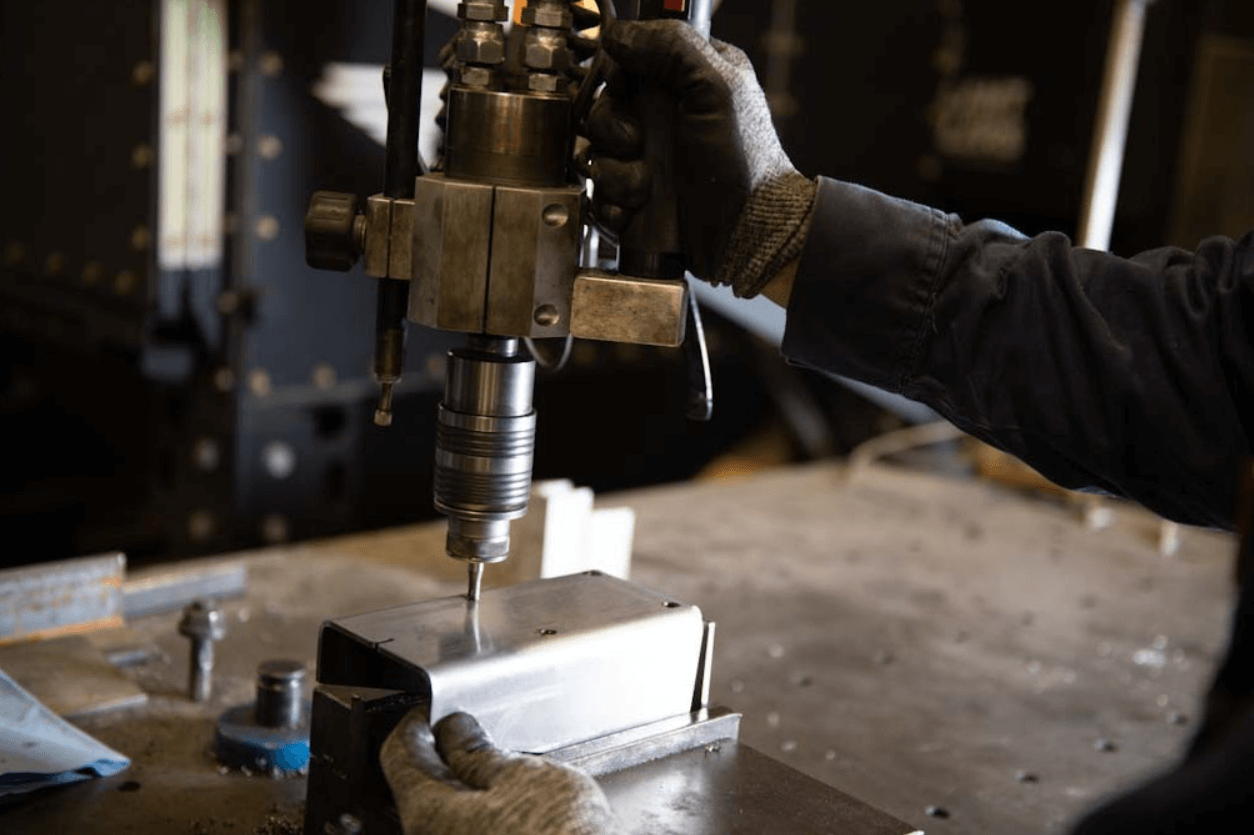
Hydraulic-powered equipment is the backbone of many businesses throughout Republic, Missouri. From manufacturing lines and warehousing facilities to farms, construction fleets, and material-handling operations, productivity depends on hoses that can reliably contain high-pressure fluid day after day. When a hose fails unexpectedly, the disruption is immediate. Machines stop. Crews wait. Production schedules get pushed back. And the cost of that downtime can escalate quickly.

In a fast-growing area like Republic, where industries rely on consistent uptime to stay competitive, the value of dependable hydraulic hose repair becomes even more critical. Understanding how hoses fail, what a quality repair looks like, and where to find trusted technicians helps equipment owners prevent setbacks and keep operations running smoothly. Yarbrough Industries, located in nearby Springfield, plays a significant role in supporting Republic businesses with hydraulic services, and their long-standing expertise makes them an important resource for companies looking to stay ahead of failures.

This guide explains the most common hydraulic hose issues, the true cost of ignoring warning signs, and why choosing the right repair partner can make all the difference for long-term reliability and safety.

How Hydraulic Hoses Keep Republic’s Equipment Moving

Hydraulic hoses serve as the circulatory paths of a hydraulic system. They carry pressurized fluid to cylinders, valves, motors, and attachments, enabling equipment to lift, push, rotate, tilt, and move with incredible strength. In Republic’s diverse industries, these systems power skid steers, loaders, forklifts, compactors, dump trucks, presses, conveyors, balers, pallet-handling systems, agricultural tractors, and countless other machines.

Without dependable hoses, even the highest-quality hydraulic components cannot perform. A sudden leak can cause a complete drop in pressure, making machine functions weak, inconsistent, or completely inoperable. The higher the equipment workload and the more demanding the environment, the more important the hose’s integrity becomes.

In agricultural and construction operations, hoses often face constant flexing, exposure to debris, and heavy vibration. In factories or distribution centers, hoses may endure continuous cycling, high temperatures, and prolonged pressure. All of these conditions gradually wear down rubber, reinforcement layers, and fittings. Recognizing these stressors is the first step in preventing a costly failure.

Common Causes of Hydraulic Hose Failure

Hydraulic hoses rarely fail without warning. Most breakdowns come from gradual deterioration, improper installation, environmental exposure, or mechanical stress. Understanding these causes empowers operators to spot red flags early.

External Physical Damage

Many hose failures result from abrasion or impact. A hose that rubs against a sharp metal edge, a moving linkage, or even another hose will eventually wear through its outer cover. Crushed hoses are another frequent problem, often caused by running over them, clamping them too tightly, or storing equipment in ways that pinch or flatten the hose body.

When abrasion removes the outer rubber layer, the steel reinforcement becomes exposed. Once moisture contacts the wire, corrosion sets in quickly, weakening the structure.

Flexing, Kinking, and Incorrect Routing

Every hydraulic hose has a minimum bend radius. When the hose is bent more tightly than its rating, internal reinforcement layers begin to separate. This damage may not be visible, but it compromises the hose’s ability to contain pressure. Kinks near fittings are particularly dangerous because they create concentrated stress points.

Twisting during installation is another common cause of early failure. A hose that is torqued even slightly during assembly can experience premature fatigue.

Pressure and Temperature Problems

Hydraulic systems operate under extreme pressure. When spikes or surges exceed the hose’s rating, even briefly, internal damage begins to form. Over time these pressure irregularities weaken reinforcement layers until a rupture occurs.

Temperature extremes also accelerate deterioration. Excessive heat hardens rubber and can cause internal cracking. Cold conditions make hoses brittle, especially when flexed. Equipment that operates year-round outdoors is especially vulnerable.

Age, UV, and Environmental Exposure

Rubber compounds degrade over time. Sunlight, ozone, dry air, and contamination all contribute to aging. Even hoses that look intact from the outside may have micro-cracks, stiffness, or internal separation due to age alone.

Poor Assembly and Incompatible Components

Using incorrect fittings, over-crimping, or mixing components from different manufacturers can lead to failure. A poor-quality assembly may seal initially, but under pressure and cycling it will loosen or blow out.

Warning Signs Operators Should Know

Some early indicators of hose deterioration include:

  • Wet or oily spots
  • Slow drips or misting during operation
  • Exposed wire braid
  • Cracks or dryness on the outer cover
  • Stiff or brittle hose sections
  • Rust around fittings
  • Bulges or blisters

If any of these appear, the hose should be inspected immediately to prevent a more serious failure.

The True Cost of Ignoring Hose Problems

Many operators continue running equipment after noticing minor leaks or aging hoses, assuming the issue can wait until a more convenient time. Unfortunately, delaying repairs almost always leads to larger problems.

Unexpected Downtime

A burst hydraulic hose can shut down an entire production line, halt a construction project, or stop critical farm operations during peak season. Depending on the industry, downtime can cost hundreds or thousands of dollars per hour in lost production, wasted labor, missed deadlines, or contractual penalties.

Safety Hazards

Hydraulic fluid escaping under pressure can pose serious risks. Fine mist from pinhole leaks can penetrate skin, which requires emergency medical attention. Spraying fluid may cause burns, slipping hazards, or contamination of surrounding surfaces and materials.

Environmental and Equipment Damage

Leaking hydraulic oil can damage components, erode seals, contaminate soil, and create costly cleanup needs. A damaged hose may also be a symptom of larger system issues, meaning the longer it goes unaddressed, the more damage accumulates elsewhere.

Being proactive doesn’t simply save money. It protects workers, preserves equipment, and maintains operational reliability.

What “Best Hydraulic Hose Repair” Should Include in Republic, MO

Not all hydraulic hose repairs are created equal. A dependable repair partner should combine technical expertise, quality parts, and fast response.

Skilled Hydraulic Technicians

Quality repair starts with technicians who understand more than just hoses. They should be trained in hydraulic theory, system diagnostics, hose routing, crimping specifications, and safety practices. Skilled technicians can identify not only the failed hose, but also the root cause behind the failure.

Quality Hose Assemblies and Components

A proper repair uses hoses and fittings rated for the equipment’s pressure, temperature, environment, and flow requirements. Using mismatched or low-quality components leads to premature failure and additional downtime.

Testing and Troubleshooting Capabilities

The best hose repair providers don’t simply swap a hose; they evaluate the entire system. This includes checking pressures, inspecting valves or pumps for irregularities, and determining whether abrasion, misalignment, or corrosion caused the problem.

Facilities that have in-house test stands and diagnostic equipment can verify that machines operate correctly before returning them to service.

Fast Turnaround and Reliable Inventory

When a machine is down, time matters. A repair shop with a large inventory of hoses, fittings, adapters, and couplers can fabricate assemblies quickly and reduce downtime.

Mobile On-Site Service

For many Republic businesses, transporting equipment to a repair facility is not practical. Mobile service trucks equipped with crimping machines, hydraulic fittings, and diagnostic tools allow repairs to be performed directly at the jobsite.

This combination of speed, capability, and accuracy sets apart the providers that consistently deliver top-tier hydraulic support.

Yarbrough Industries: Hydraulic Hose Experts Supporting Republic, MO

Yarbrough Industries has served Southwest Missouri since 1946, steadily expanding from machining and fabrication into a full-scale hydraulic service provider. Their experience and capabilities support a wide range of industries, including construction, agriculture, manufacturing, warehousing, and heavy equipment operations.

Complete Hydraulic Repair Capabilities

Yarbrough Industries provides repair services for hydraulic cylinders of all makes and sizes, along with pumps, motors, and valves. Their in-house expertise allows them to diagnose issues, repair damaged components, and restore systems to optimal performance.

Their ability to service fluid power components helps ensure that hose failures are not symptoms of a deeper hydraulic system problem.

Custom Hydraulic Hoses and Tube Bending

The company produces custom Aeroquip hydraulic hoses with quick turnaround times, allowing customers to get equipment back in operation faster. For applications requiring rigid lines, Yarbrough Industries also offers steel tube bending up to 1¼ inches, which is especially valuable for equipment that uses fixed hydraulic lines for precise routing.

Advanced Testing and Engineering Support

One of Yarbrough’s strongest assets is its 250-horsepower hydraulic test stand. This allows technicians to test hydrostatic, gear, piston, and vane pumps under load, ensuring repairs are verified before reinstallation. They also test hydraulic motors and valves, giving customers confidence that their equipment has been fully evaluated.

Their applications engineering team offers system design consultation, AutoCAD modeling, and electro-hydraulic programming support. These capabilities help customers identify long-term solutions, optimize system performance, and reduce repetitive failures.

Mobile Hydraulic Hose Repair for Republic Jobsites

Yarbrough Industries operates service trucks equipped with welders, air compressors, hose crimpers, torches, fittings, hoses, adapters, and even small cranes. These trucks allow technicians to travel to Republic job sites, diagnose issues, and perform on-location repairs. This service reduces downtime dramatically for equipment that cannot be transported easily.

Fabrication and Machining for More Complex Issues

Sometimes a hose fails because a bracket breaks, a cylinder rod is worn, or a mounting point has shifted. Yarbrough Industries’ fabrication and machining departments can rebuild, redesign, or reinforce these components. This integrated capability helps prevent repeat failures and extends the life of the entire hydraulic system.

Nixa has grown into one of the busiest communities in Christian County, serving as a hub for construction, industrial work, transportation, agriculture, and municipal operations. As projects move faster and equipment demand increases, hydraulic systems play a vital role in daily productivity. Excavators, skid steers, refuse trucks, mowers, loaders, material-handling equipment, and manufacturing machines all depend on hydraulic hoses to transmit high-pressure fluid safely.

When one of those hoses fails, operations often come to a stop. Jobs fall behind schedule, equipment must be moved, and operators face potential safety hazards. That is why mobile hydraulic hose repair has become so valuable for Nixa businesses and operators. Instead of transporting machinery to Springfield or waiting days for repair availability, a mobile hydraulic technician can arrive directly on site, fabricate a replacement hose, install it immediately, and get the machine back in service.

This article explores how mobile hydraulic hose repair works, what causes hose failures, the benefits of on-site service, and how a regional partner like Yarbrough Industries supports the Nixa area with mobile service trucks and full hydraulic capabilities behind them.

What Is Mobile Hydraulic Hose Repair?

How Mobile Hose Repair Works

Mobile hydraulic hose repair is a service model where a trained hydraulic technician travels to the machine instead of requiring the machine to be brought to a repair shop. The goal is fast diagnosis, hose fabrication, installation, testing, and returning the equipment to operation with minimal downtime.

A typical visit includes:

  • Arriving on site and assessing the failure
  • Removing the damaged hose or fitting
  • Fabricating a new hose with correct pressure rating and end configurations
  • Installing and properly routing the hose to prevent repeat failure
  • Testing hydraulic pressure and verifying the system is leak-free

This approach removes the need for operators to disconnect equipment, transport it to a facility, or wait in line for shop repair availability.

Equipment Inside a Mobile Repair Unit

A fully equipped mobile hydraulic hose repair truck carries:

  • Inventories of common hose sizes, pressure classes, and fittings
  • An on-board hose crimper
  • A hose cutting saw
  • Diagnostic gauges and hand tools
  • Clamps, guards, and abrasion sleeves
  • Hydraulic fluid, spill kits, and clean-up supplies

Yarbrough Industries goes further by equipping their mobile units with welders, generators, air compressors, hose crimp machines, cutting torches, stocked fittings, and even a small crane. These trucks are designed to complete most hydraulic repairs directly on site, which is especially valuable for Nixa operators whose equipment may not be positioned near a main road or transport route.

Where Nixa Businesses Depend on Hydraulic Hoses

Industries That Rely on Hydraulic Systems

Hydraulic systems power a wide range of equipment used every day in and around Nixa. Major sectors include:

  • Construction and excavation equipment such as skid steers, backhoes, compact track loaders, and telehandlers
  • Municipal vehicles including snowplows, refuse trucks, and mowers
  • Manufacturing machinery involving presses, conveyors, and forklifts
  • Agricultural tractors, hay balers, spreaders, and irrigation equipment
  • Landscaping equipment used by local contractors and maintenance providers

Each of these applications relies on high-pressure hoses to perform heavy-duty work. Even a minor hose failure can halt an entire job.

Why Traveling to Springfield Is Not Always Practical

While Springfield is nearby, towing or transporting heavy equipment from Nixa can be time-consuming and costly. Machines like excavators, wheel loaders, or agricultural implements require lowboy trailers, scheduling availability, and operator downtime. This is where mobile hydraulic hose repair becomes the most efficient option. The technician comes directly to the machine, whether it is at a construction site, industrial facility, farm, or public works yard.

For many companies, the time saved from avoiding transport alone justifies calling a mobile hydraulic service provider.

Common Causes of Hydraulic Hose Failure

Understanding why hoses fail helps operators prevent breakdowns and respond quickly when a failure occurs.

Mechanical and Installation Issues

Some of the most common mechanical causes include:

  • Abrasion, where the hose rubs against other metal surfaces or moving parts
  • Exceeding the minimum bend radius, causing internal reinforcement fatigue
  • Twisting during installation or operation
  • Crushing, pinching, or improper routing
  • Improperly crimped fittings or mismatched components

Many failures occur not because the hose is old, but because it was routed poorly or installed with a twist that eventually weakened the internal structure.

Environmental and Operating Factors

Nixa’s mix of seasonal conditions, temperature swings, and outdoor job sites exposes hoses to environmental stress. Additional causes of failure include:

  • Excessive heat or proximity to exhaust components
  • Fluid compatibility issues that degrade hose materials
  • High-frequency pressure spikes or shock loads
  • UV exposure and long-term weathering
  • Age-related stiffness, cracking, or hardening

Even in controlled indoor manufacturing environments, hoses experience vibration, repeated movement, and contamination that slowly reduce their lifespan.

Warning Signs Operators Should Watch For

Operators in Nixa can reduce downtime by keeping an eye out for early warning signs such as:

  • Wet or oily spots on the hose cover
  • Exposed wire braid or reinforcement layers
  • Cracks, blisters, bulges, or kinks
  • Fittings that loosen, seep, or spray fluid under pressure
  • Hoses that move excessively or rub against structural components

Catching these signs early can make the difference between a planned service call and an emergency breakdown.

Why Choose Mobile Hose Repair Instead of Hauling Equipment

Reduced Downtime and Delays

A failed hydraulic hose often stops an entire operation. Mobile service helps eliminate:

  • The time to remove the hose and transport it to a shop
  • Waiting behind other repairs in a busy service department
  • Reinstalling the hose and discovering a secondary issue later
  • Hours or days of lost productivity

When a technician arrives directly at the jobsite, the repair process begins immediately.

Lower Overall Costs

Mobile service often reduces total spending by avoiding:

  • Towing or transport fees
  • Labor hours wasted on moving equipment around
  • Rental equipment costs needed to keep a project moving
  • Additional downtime that causes project delays

For many operators, the cost of mobile hydraulic hose repair is a fraction of what a day of downtime can cost.

Improved Safety and Fewer Environmental Risks

A damaged hydraulic hose can lead to:

  • High-pressure injection injuries
  • Dropped loads from sudden pressure loss
  • Contaminated work areas from hydraulic spills
  • Fire hazards if fluid contacts hot surfaces

Timely on-site repair prevents these situations from escalating. A mobile technician can also help contain leaks, clean up the area, and ensure the system is safe before returning equipment to service.

What To Expect During a Mobile Hydraulic Hose Repair Visit in Nixa

Before the Technician Arrives

A dispatcher may ask for information such as:

  • The equipment type and location
  • The approximate hose size or part number
  • Visible symptoms of the failure
  • Any safety concerns such as proximity to traffic, slopes, or stored energy

Yarbrough Industries uses this information to prepare trucks with the right hose inventory, fittings, and tools before arrival, increasing the chance of completing the repair in a single visit.

On-Site Inspection and Diagnosis

Once on the jobsite, the technician will:

  • Identify the exact point of failure
  • Check surrounding hoses and components for additional damage
  • Determine whether fittings, clamps, or routing must be corrected
  • Confirm whether other hydraulic issues may have contributed to the failure

This up-front inspection helps prevent future problems and ensures the replacement hose is installed correctly.

Fabricating and Installing the New Hose

On-site hose fabrication includes:

  • Cutting the hose to the proper length
  • Selecting the correct hose type and pressure rating
  • Choosing and crimping the appropriate fittings
  • Routing the hose to avoid abrasion and pinch points
  • Securing the hose with clamps or protective guards

Yarbrough Industries technicians follow manufacturer guidelines and best practices for hose assembly and routing to maximize hose life.

Testing, Clean-Up, and Return to Service

Before returning the equipment to full operation, the technician will:

  • Refill hydraulic fluid as needed
  • Bleed air from the system
  • Apply pressure while checking for leaks
  • Clean up residual fluid
  • Verify all clamps and fittings are secure

The machine is then returned to service and operators can resume work on the spot.

How Yarbrough Industries Supports Mobile Hydraulic Hose Repair in Nixa

Regional Experience and Strong Technical Capabilities

Yarbrough Industries has served southwest Missouri since 1946, providing hydraulic services, fabrication, machining, and custom equipment support. That long history shapes the way the company approaches on-site hydraulic service today. While many businesses specialize in a single area, Yarbrough Industries supports both mobile and in-house hydraulic needs with technicians, equipment, and testing capabilities that are built for demanding industrial environments.

This broad experience matters for Nixa operators because hydraulic systems are seldom simple. A blown hose might be the symptom of another problem such as excessive pressure, misalignment, or component fatigue. Having a service provider with full hydraulic expertise means issues are not only repaired but also diagnosed with long-term reliability in mind.

Mobile Service Capabilities That Go Beyond Basic Hose Replacement

While hose replacement is the most common mobile repair request, Yarbrough Industries outfits their service trucks to handle much more when needed. Their mobile trucks are equipped with:

  • Hose crimp machines
  • Cutting torches
  • Welders and generators
  • Air compressors
  • Stocked hoses and fittings
  • Diagnostic tools
  • A small crane for handling heavy components

This allows technicians to repair damaged brackets, address alignment issues, or perform supporting fabrication tasks on the spot. It reduces the chance that equipment needs to be transported to Springfield for follow-up work, saving Nixa crews time and cost. Mobile hydraulic support from Yarbrough Industries is not limited to one type of equipment; they regularly service construction fleets, agricultural machinery, industrial systems, and municipal equipment throughout the region.

In-House Services That Complement Mobile Repairs

Mobile service is invaluable for quick fixes, but some hydraulic components require controlled testing or specialized equipment found only in a full-service facility. Yarbrough Industries supports mobile repairs with a comprehensive hydraulic shop that includes:

  • A 250 hp hydraulic test stand capable of testing hydrostatic, piston, vane, and gear pumps
  • A full hydraulic cylinder repair department that works on all makes and models
  • Custom Aeroquip hydraulic hose fabrication
  • Hydraulic steel tube bending up to 1¼ inches
  • Component repair for pumps, motors, valves, and fluid power systems

When a mobile repair reveals a deeper issue, technicians can coordinate with the in-house team to rebuild or test components quickly. This creates a seamless workflow that many repair companies cannot offer.

Yarbrough Industries also provides applications engineering, system design, and troubleshooting support when hydraulic issues require redesign or system evaluation. These capabilities ensure Nixa businesses have access to a long-term technical partner, not just a one-time repair service.

Preventive Maintenance Tips to Avoid Future Hose Emergencies

Preventive care is the easiest way to avoid equipment downtime. Yarbrough Industries regularly assists customers with maintenance programs that reduce emergency repairs and extend the life of hydraulic systems.

Inspection and Replacement Intervals

Operators should conduct visual inspections at the start of each shift or before heavy-use days. Look for:

  • Soft spots
  • Cracks
  • Exposed reinforcement layers
  • Kinks
  • Leaks around fittings
  • Abrasion marks
  • Hoses that are too tight or too loose

High-use equipment in construction or manufacturing may need more frequent replacement intervals than machines used only occasionally. If a hose shows any visible wear or reaches the manufacturer’s recommended service life, replacement should be scheduled proactively.

Proper Hose Routing and Protection

Correct routing and protection are critical for hose longevity. Best practices include:

  • Maintaining the minimum bend radius recommended by the manufacturer
  • Avoiding twisting during installation
  • Securing hoses with proper clamps
  • Using abrasion guards or sleeves in high-contact areas
  • Preventing hoses from contacting pinch points or sharp edges

Many of the failures Yarbrough Industries sees in the field are preventable with small adjustments to routing or better selection of protective components.

Clean Fluids and Compatibility

Using the wrong hydraulic fluid, running contaminated oil, or ignoring filtration issues increases hose stress. Poor fluid condition can cause internal hose deterioration, clog valves, and increase operating temperatures. Periodic fluid sampling and proper maintenance routines help ensure the entire hydraulic system stays in good condition.

For operators who want professional oversight, Yarbrough Industries offers maintenance programs and system evaluations that help fleet managers and plant operators catch issues early.

Safety and Environmental Best Practices During Hose Repair

Safety is a critical factor in any hydraulic repair. High-pressure hydraulic fluid can cause serious injuries and environmental hazards if not handled correctly.

Lockout, Tagout, and Energy Control

Before a hose is removed or installed, hydraulic energy must be controlled. This involves:

  • Shutting down the equipment
  • Isolating hydraulic circuits
  • Relieving pressure through approved procedures
  • Locking out and tagging out energy sources if required

A qualified technician will ensure all lines are depressurized before loosening fittings.

Personal Protective Equipment and Safe Work Practices

Technicians typically use:

  • Safety glasses
  • Gloves designed for hydraulic service
  • Protective clothing
  • Tools that allow safe distance during pressurization

After installing a new hose, pressure is applied gradually while monitoring for leaks. No-hands checks are used to avoid exposure to high-pressure fluid.

Spill Control and Environmental Protection

Hydraulic fluid spills can affect soil, pavement, or storm drainage systems. Proper clean-up includes:

  • Using absorbent pads or granules
  • Preventing fluid from reaching waterways
  • Containing and disposing of contaminated material responsibly

A professional service provider will carry spill kits and manage clean-up as part of the repair.

Frequently Asked Questions About Mobile Hydraulic Hose Repair in Nixa

What types of equipment can be serviced on site?

Mobile technicians can service construction machinery, agricultural equipment, industrial machines, municipal vehicles, forklifts, loaders, skid steers, and more.

How quickly can a technician reach a Nixa jobsite?

Response times vary, but Nixa is within the normal service radius for Yarbrough Industries. Many calls can be handled same-day depending on workload and severity.

Can mobile service handle every type of hydraulic issue?

Most hose and fitting repairs are completed on site. If deeper issues involve pumps, motors, or cylinders that require controlled testing, those components can be transported to Yarbrough Industries’ hydraulic shop.

What information should I have ready when calling?

Equipment type, symptoms, photos if available, and the exact location help technicians prepare the right hoses and tools before arriving.

Is mobile repair more expensive than a shop visit?

In many cases, the total cost is lower. You avoid towing fees, lost productivity, and transport logistics. Mobile repair is typically the fastest and most cost-effective option.

Next Steps for Nixa Businesses

What to Do When a Hose Fails

If a hydraulic hose fails:

  1. Shut down the equipment immediately
  2. Contain any leaking fluid
  3. Keep personnel away from pressurized components
  4. Contact a mobile hydraulic service provider
  5. Provide clear directions to the jobsite

Timely action reduces risk and minimizes project delays.

When to Schedule Preventive Service

Operators preparing for large projects, seasonal work, or heavy-use cycles should consider scheduling hose inspections and replacement before peak workload periods. This helps prevent emergency breakdowns at inconvenient times.

Contact Yarbrough Industries

Nixa operators looking for mobile hydraulic hose repair, hydraulic component rebuilding, cylinder repair, or related services can get help quickly by reaching out to Yarbrough Industries. Their mobile technicians, in-house hydraulic repair shop, and decades of experience make them a reliable partner for keeping equipment running safely and efficiently.

To request service, schedule maintenance, or ask questions, visit: https://dev.yarbroughindustries.com/contact-us/

In the heart of Springfield, Missouri, industries thrive on innovation, precision, and reliability. To keep the wheels of manufacturing and production turning, businesses need partners who provide impeccable machine repair and precision machining services. Whether it’s minimizing downtime or ensuring the highest-quality parts, Springfield companies have access to some of the best industrial solutions available.

A Trusted Legacy of Quality and Innovation

A History of Expertise

Since its establishment in 1946, Yarbrough Industries has been a pioneer in industrial solutions. Starting as a small family-run business, it grew to become a trusted name in machine repair, precision machining, and hydraulic services. A major milestone in their journey was the invention of the Pal-O-Matic pallet dispenser, showcasing their innovative spirit and dedication to streamlining operations for businesses.

Commitment to the Community

From their modest beginnings in a garage to becoming a cornerstone of Springfield’s industrial community, Yarbrough Industries has built its reputation on trust, quality, and exceptional customer service. This commitment continues to guide their operations, ensuring clients receive personalized, reliable solutions.

Comprehensive Industrial Services

Precision Machining: Meeting the Highest Standards

Precision machining is the foundation of many industrial applications. By leveraging advanced CNC (Computer Numerical Control) and manual lathes, manufacturers can achieve unparalleled accuracy in creating custom parts. These services are essential for projects requiring exact specifications and repeatable results.

  • Advanced Technology: CNC machines eliminate human error and ensure consistent, high-quality output, making them ideal for large-scale and small-batch production.
  • Diverse Materials: From stainless steel to aluminum and brass, precision machining services cater to a wide range of industrial needs, ensuring durability and performance.
  • Custom Solutions: Yarbrough Industries excels at fabricating custom components, prototypes, and replacement parts tailored to the client’s unique requirements.

Machine Repair: Restoring Functionality and Productivity

Machine breakdowns can cripple productivity, leading to costly delays. Swift and effective repair services ensure businesses stay operational.

  • End-to-End Solutions: From diagnosing issues to fabricating replacement parts, Yarbrough Industries provides comprehensive repair services.
  • Obsolete Equipment? No Problem: For outdated machines, custom parts can be fabricated to restore functionality, extending the life of critical equipment.
  • Mobile Repair Services: With on-site repair capabilities, businesses can minimize downtime and get back to work faster.

Fabrication Services: Transforming Ideas into Reality

Fabrication combines advanced tools and skilled craftsmanship to transform raw materials into functional components or products.

  • Welding Expertise: TIG, MIG, and stick welding for creating durable and precise structures.
  • Laser & Waterjet Cutting: Advanced technologies ensure intricate designs and clean finishes, reducing waste and optimizing performance.
  • Comprehensive Capabilities: Bending, grinding, and polishing services add the finishing touches to ensure parts meet exacting quality standards.

Hydraulic Expertise: Keeping Systems Running

Comprehensive Hydraulic Services

Hydraulic systems are the lifeblood of many industrial operations, and maintaining their efficiency is crucial. Whether it’s repairing pumps, motors, or valves, specialized services ensure optimal performance.

  • Trusted Partnerships: Yarbrough Industries collaborates with leading brands like Eaton, Vickers, and Char-Lynn to deliver quality repairs and replacements.
  • Mobile Technicians: On-site hydraulic maintenance minimizes disruption, allowing businesses to stay productive.

Mobile Hydraulic Repairs

For field-based industries, having repair services come directly to the site can save valuable time. Yarbrough Industries’ technicians arrive equipped with tools, common parts, and the expertise to resolve hydraulic issues quickly and efficiently.

State-of-the-Art Technology for Precision Work

Laser Cutting: Accuracy and Efficiency

Modern laser cutting technology offers unmatched precision and speed, ideal for industrial-grade projects.

  • Capabilities: Cutting materials like carbon steel (up to 1 inch thick) and stainless steel (up to ⅜ inch thick) with nitrogen-assisted cuts for a clean finish.
  • Custom Etching: Adds part numbers or labels directly onto components, streamlining identification and assembly processes.

Waterjet Cutting: Extreme Precision

When precision is non-negotiable, waterjet cutting is the solution. Using high-pressure water and abrasives, this method is versatile and accurate.

  • Material Flexibility: Cuts through metal, wood, ceramics, and even glass with ease.
  • Tolerances and Clean Cuts: Delivers accuracy within 0.001 inches, suitable for the most exacting requirements.

Screenshot 2025 01 05 071224

Why Choose Expert Industrial Services?

Experience That Matters

Decades of expertise translate into confidence and reliability. Skilled machinists and repair technicians bring years of hands-on experience to every project, ensuring flawless execution.

Customer-Focused Approach

Tailored services meet the unique needs of each business. Whether it’s a one-off repair or a large-scale fabrication project, the focus remains on delivering value and satisfaction.

Innovation and Problem-Solving

By combining advanced technology with innovative thinking, industrial service providers like Yarbrough Industries tackle even the most complex challenges. Custom solutions ensure that no problem is too big or small to solve.

Serving Springfield’s Diverse Industries

From agriculture and automotive to manufacturing and construction, industrial services cater to a wide range of sectors. Custom fabrication and precision machining are essential for meeting the demands of these industries, ensuring they remain productive and competitive.

Testimonials: Proven Success

Nothing speaks louder than satisfied clients. Success stories and case studies highlight how expert services have solved complex problems, from repairing large hydraulic systems to creating intricate custom components.

Contact for Industrial Excellence

For businesses seeking reliable machine repair and precision machining services, reaching out to a trusted provider is the first step. Companies like Yarbrough Industries ensure top-tier solutions tailored to the unique needs of their clients.

  • Phone: (417) 869-5344
  • Address: 514 N. Fremont Ave, Springfield, MO, 65802
  • Website: Visit Here

Conclusion

Precision, reliability, and efficiency are the hallmarks of successful industrial operations. With expert machining, repair, and fabrication services, Springfield businesses have access to the resources they need to thrive. By partnering with proven providers, companies can ensure they remain competitive, productive, and ready to meet any challenge.

Ready to talk to a Custom Fabrication and Machining expert?

Preventing hydraulic hose failure is far more cost-effective than dealing with one after it happens. Republic’s mix of outdoor job sites, heavy equipment operations, and temperature fluctuations make preventive maintenance especially important.

How Long Hydraulic Hoses Typically Last

Hydraulic hoses can last anywhere from one to ten years depending on how they are used. Equipment that operates outdoors, runs continuously, or sees frequent pressure spikes will experience faster hose wear. Machinery that is used seasonally or in controlled indoor environments may get significantly longer hose life.

Understanding the conditions your equipment faces helps determine the right inspection and replacement schedule.

Recommended Inspection Intervals

For most commercial operations in and around Republic, hydraulic hoses should be inspected at least every three to six months. High-duty machines may require monthly checks.

During an inspection, operators or maintenance personnel should look for:

  • Abrasion or rubbing points
  • Cracked or brittle rubber
  • Leaking or sweating hoses
  • Corroded fittings
  • Loose clamps or damaged brackets
  • Kinks, twists, or flattened hose sections

These inspections take only minutes but can prevent hours or days of downtime.

When to Repair and When to Replace

Minor issues, such as chafing or worn protective sleeves, may only require adjustment or additional guarding. However, certain conditions always require immediate replacement:

  • Exposed wire braid
  • Bulges or bubbles in the hose
  • Persistent leaks
  • Stiff or cracked sections
  • Darkened or burned hose covers caused by heat

Pairing hose replacement with fluid checks and filter changes ensures the entire hydraulic system continues operating at peak efficiency.

How Yarbrough Industries Supports Preventive Maintenance

For businesses that don’t have the time or staffing to inspect hoses regularly, Yarbrough Industries offers service programs that include routine hydraulic inspections, onsite evaluations, and planned hose replacements. Their mobile technicians can visit Republic facilities to assess equipment condition and recommend a maintenance schedule that fits the operation’s needs.

This proactive approach keeps equipment reliable while reducing emergency repair costs.

What Happens During a Professional Hydraulic Hose Repair

Understanding the repair process helps equipment owners appreciate the steps required to prevent future failures and ensure safe operation.

Safety Procedures

Before any repair begins, technicians depressurize the hydraulic system, lock out the equipment, and clean the affected area. Hydraulic fluid under pressure is extremely dangerous, so this step is essential for both safety and accuracy.

Identifying the Root Cause

Professionals don’t simply replace a hose. They examine the surrounding components to determine why the hose failed. This includes checking:

  • Routing and clamp locations
  • Adjacent moving parts
  • Heat sources
  • System pressure irregularities
  • Condition of fittings and adapters

Identifying the underlying cause prevents repetitive failures.

Fabricating the Replacement Hose

A quality repair involves selecting the correct hose type, fitting style, temperature rating, and pressure rating. Once selected, a precise crimping process ensures the hose meets manufacturer specifications. The assembly is then inspected for length accuracy, fitting alignment, and cleanliness.

Shops that maintain a wide inventory of fittings and hoses provide faster turnaround and reduce waiting time.

Testing and Verification

After installation, the system is slowly brought back to pressure while technicians monitor for leaks, pressure fluctuations, and abnormal sounds. If the equipment is in a critical application, a full operational test may follow to ensure everything is functioning properly.

Yarbrough Industries’ ability to test pumps, motors, and valves adds a deeper level of assurance, especially when a hose failure may have been caused by pressure spikes or internal component wear.

How Republic, MO Businesses Can Work With Yarbrough Industries

Republic’s proximity to Springfield allows businesses to take advantage of Yarbrough Industries’ hydraulic repair facility, mobile service fleet, and engineering support.

When to Request Mobile Service

Mobile service is ideal for:

  • Construction equipment that cannot be transported easily
  • Agricultural machinery in the field
  • Warehousing and industrial equipment that must stay onsite
  • Emergency breakdowns where downtime must be minimized

Yarbrough’s service trucks are equipped with hose crimpers, fittings, adapters, welders, and diagnostic tools, enabling most hose repairs to be completed in a single visit.

When In-Shop Repairs Make Sense

Large component repairs, such as cylinder rebuilds, pump testing, or fabrication work, are best performed at Yarbrough’s Springfield facility. Their shop includes machining equipment, a hydraulic test stand, welding stations, and fabrication tools that allow technicians to handle more complex hydraulic challenges.

Many Republic businesses choose a combination of mobile troubleshooting and in-shop component rebuilds for the most efficient workflow.

What Information To Provide for Faster Service

When you contact a hydraulic repair provider, having a few details ready will speed up the process:

  • Equipment type and location
  • Description or photos of the failed hose
  • Any part numbers on fittings or hoses
  • Notable symptoms such as pressure loss, reduced movement, or unusual noises

Clear information allows technicians to arrive prepared with the correct materials.

How To Contact Yarbrough Industries

Businesses in Republic can request service or schedule routine maintenance through their online contact page:
https://dev.yarbroughindustries.com/contact-us/

The team responds quickly and can coordinate either a mobile repair or an in-shop evaluation depending on the situation.

Conclusion: Protect Your Equipment and Bottom Line With Reliable Hose Repair

Hydraulic hose failures are inevitable, but costly downtime and safety risks do not have to be. Understanding the warning signs of wear, addressing issues early, and choosing a skilled repair partner help Republic businesses keep their operations running smoothly throughout the year.

The best hydraulic hose repair combines technical skill, quality components, fast response time, and the ability to diagnose the full system. Yarbrough Industries offers many of these capabilities through their custom hose fabrication, mobile repair service, hydraulic testing equipment, and experienced technicians. Their long history serving Southwest Missouri makes them a trusted resource for preventative maintenance, emergency repairs, and complex hydraulic troubleshooting.

Whether you manage a construction fleet, run a manufacturing line, or operate agricultural machinery, investing in proper hydraulic hose care protects productivity, reduces unexpected downtime, and extends equipment life. When you need dependable hydraulic hose repair in Republic, MO, reaching out to a knowledgeable partner like Yarbrough Industries ensures your equipment receives the attention and accuracy it deserves.

If you’d like to schedule service, request a consultation, or get help identifying a hose or fitting, you can connect with the team anytime through their contact page: https://dev.yarbroughindustries.com/contact-us/

Hydraulic systems power some of the hardest working machines across Springfield and the surrounding communities. Whether it is an excavator on a commercial build, a baler on a rural property, or a press inside a local manufacturing plant, hydraulic power makes production possible. The moment a hose bursts, work often stops instantly. Crews wait, deadlines slip, and companies can lose thousands of dollars per hour when equipment is down.

This is where mobile hydraulic hose repair becomes valuable. Instead of hauling a machine across town or scheduling a shop repair that takes half a day, a mobile technician can come directly to the job site, build the replacement hose, install it, and get the equipment back in service with minimal disruption. It is one of the fastest and most cost-effective ways to reduce downtime.

Yarbrough Industries has served Springfield for decades with hydraulic repair, precision machining, fabrication, and on site hydraulic services. Their mobile support is built around the needs of contractors, factories, fleet operators, and agricultural customers who cannot afford long delays. By combining mobile hose repair with in house hydraulic testing, cylinder repair, machining, and fabrication, the company offers a complete support system designed to keep equipment reliable.

What Is Mobile Hydraulic Hose Repair

How Mobile Hose Repair Works

Mobile hydraulic hose repair is centered on bringing the shop to the equipment rather than the equipment to the shop. A fully equipped service truck arrives on site, identifies the failed hose, removes it, fabricates a replacement, installs it, and tests the repair before leaving. The goal is to return a machine to operational status as quickly as possible without the cost or hassle of hauling heavy equipment.

This service is especially important for construction crews, agricultural operators, and industrial facilities operating on tight schedules. Instead of waiting hours or even days for off site repairs, mobile technicians can often resolve the issue in a single visit.

What a Fully Equipped Mobile Truck Should Carry

A true mobile hose repair truck is effectively a rolling hydraulic workshop. Industry standards suggest that a service vehicle should include a hose crimping machine, fittings, adapters, hose stock, cutting tools, testing equipment, and tools for heavy mechanical tasks.

The mobile service trucks at Yarbrough Industries carry many of these components, including generators, welders, air compressors, hose crimpers, fittings, adapters, cutting torches, and even small cranes. This enables technicians to remove damaged components, build hoses on site, and handle mechanical adjustments that would otherwise require a tow to a repair shop. For customers, this often means the difference between several hours of downtime and losing a full day of production.

Technicians Who Specialize in Hydraulics

Skilled hydraulic technicians understand the entire hydraulic system, not just the hose that failed. This matters because many hose failures are symptoms of larger issues such as damaged fittings, misalignment, abrasion, or excessive system pressure.

Yarbrough Industries staffs experienced hydraulic specialists who work with hose assemblies, pumps, valves, motors, cylinders, and complete system designs every day. Their familiarity with Aeroquip hoses and fittings, fluid power components, and custom hydraulic systems allows them to diagnose problems more thoroughly and recommend lasting solutions rather than temporary fixes.

Common Hydraulic Hose Failures That Cause Costly Downtime

The Most Frequent Reasons Hoses Fail

Hydraulic hoses are designed to withstand high pressure and constant motion, but several conditions can weaken them over time. Common failure causes include:

  • Abrasion from rubbing against metal or nearby components
    • Kinking due to improper routing or poor installation
    • High pressure spikes in the hydraulic system
    • Excessive heat or exposure to harsh environments
    • Oil incompatibility that breaks down hose materials
    • Aging hoses with cracked or brittle outer layers

Industry resources and SAE guidelines consistently point to abrasion and routing errors as top failure causes. These types of preventable issues are why regular visual inspections and proactive maintenance matter so much.

Warning Signs a Hose Is Close to Failing

Some warning signs are easy to spot if operators know what to look for. Symptoms include:

  • Oil seepage around fittings
    • Blisters or bubbles along the hose
    • Exposed wire braid
    • Cracked or worn outer coverings
    • Hose sections rubbing together or against metal edges

Recognizing these signs early can prevent a sudden hose rupture that releases pressurized fluid and forces an emergency shutdown.

Why Fast Response Is Essential

When a hydraulic hose fails, productivity stops immediately. Running a machine with a compromised hose risks equipment damage, environmental contamination, and safety hazards for operators. Mobile hydraulic repair provides a safe, controlled way to address the failure and restart operations quickly. It eliminates transport risk and allows for troubleshooting in the exact environment where the equipment operates.

Mobile Repair vs Shop Repair in Springfield, MO

Downtime and Logistics

Moving heavy machinery to a repair shop is costly and time consuming. Even smaller equipment often requires a service trailer and operator downtime to transport it. Mobile service avoids transport delays entirely by addressing the problem on location.

In many cases, businesses find that the savings from preventing downtime far outweigh the cost of mobile service. For companies with crews working hourly or production lines that cannot pause, same day on site repair often has clear financial advantages.

Convenience and Safety

Keeping equipment on site means operators continue working in a familiar environment. This reduces the risk of additional damage that might occur during disassembly or transport. It also prevents the safety concerns associated with moving disabled heavy equipment through public roads or tight job sites.

When Shop Repair Still Makes Sense

Some repairs extend beyond a single hose. Issues with pumps, motors, valves, or cylinders sometimes require equipment and testing tools only available in a full shop environment. This includes hydrostatic testing, piston and vane pump evaluation, valve diagnostics, and complete system rebuilds.

Yarbrough Industries provides these in house capabilities with a 250 hp hydraulic test stand, as well as cylinder repair and fluid power component services. When mobile technicians identify deeper concerns, they can coordinate a seamless transition to shop repair without requiring a new provider or separate appointment.

Inside Yarbrough Industries’ Mobile Hydraulic Hose Repair Service

On Site Hydraulic Repair Capabilities

Yarbrough Industries offers mobile hydraulic support designed for fast turnaround. Their on site services cover hose replacement, hose fabrication, hydraulic component inspection, and general mechanical support needed to get equipment running again. The mobile team handles small and large issues, from a single failed hose to more complex repair needs at customer facilities.

Fully Equipped Service Trucks

Each service truck is outfitted with a wide range of equipment including generators, welders, air compressors, cutting torches, hose crimpers, fittings, and hoses. This allows technicians to fabricate Aeroquip hydraulic hoses on site, weld brackets or guards that contributed to the failure, and lift or maneuver heavy components safely.

Many companies offer hose replacement but do not offer fabrication, welding, cutting, machining, or broader hydraulic troubleshooting on site. Because Yarbrough Industries does, customers get repairs more efficiently and with fewer delays.

Custom Hoses Made on Site

One of the biggest advantages of using a service equipped with hose fabrication tools is the ability to build the exact hose needed at the moment it is needed. There is no trial and error with pre built lengths or mismatched fittings. A new hose can be measured, cut, assembled, and crimped correctly based on the machine’s configuration.

This reduces the chance of early hose wear caused by incorrect routing or improper assembly and ensures the replacement meets the performance requirements of the hydraulic system.

Backing Services Beyond the Hose

A hose failure can reveal additional stress points within a hydraulic system. When deeper issues arise, having access to broader hydraulic capabilities becomes important. Yarbrough Industries supports these situations through hydraulic cylinder repair, fluid power component repair, system diagnostics, and pump and valve testing. Their 250 hp hydraulic test stand allows technicians to properly evaluate components that cannot be diagnosed in the field.

This combination of mobile and in house services helps customers avoid juggling multiple repair companies. If a mobile technician identifies a failing pump, worn valve, or cylinder issue, the equipment can be routed directly into Yarbrough Industries’ repair pipeline with no interruption in service.

What To Expect During a Mobile Hose Service Call

The Initial Call

When a hydraulic failure occurs, a quick phone call usually begins the repair process. The technician will typically request details such as the equipment type, model, approximate hose size, location of the failure, and site access conditions. With this information, the service team prepares the truck with the necessary inventory and tools so the repair can be completed in one trip whenever possible.

On Site Diagnosis and Safety Checks

Upon arrival, the technician conducts a safety inspection. This includes confirming system pressure has been relieved, ensuring the machine is safely secured, and assessing the work environment. Once the hose is removed, the surrounding components are also checked. Many costly breakdowns stem from adjacent hoses that are cracked or fittings that have loosened over time.

Technicians who specialize in hydraulics look beyond the obvious failure and consider whether abrasion guards, improved routing, or different fittings may reduce future downtime.

Fabrication and Installation

With the failed hose removed, the technician fabricates a replacement using a crimping machine mounted inside the service truck. Aeroquip hose and fittings are commonly used due to quality and reliability. Proper crimping, pressure rating selection, and routing all play an essential role in ensuring the hose performs correctly under load.

Once installed, clamps, guards, and protective coverings may be added when appropriate to prevent the same issue from recurring.

Testing, Cleanup, and Documentation

After installation, the system is pressurized and tested for leaks. The technician will monitor the machine as hydraulic power builds to confirm the new hose seats correctly. Any adjustments to routing or clamps are made immediately. The worksite is cleaned, the failed hose is removed, and the operator receives a summary of the repair and any maintenance suggestions.

This documentation helps operators track which hoses have been replaced and when, which supports preventive maintenance planning.

Preventive Maintenance for Hydraulic Hoses in Springfield Operations

Why Preventive Maintenance Is Essential

Most hydraulic hose failures are preventable. Abrasion, loose fittings, improper routing, and aging hoses are common issues that can be identified early with regular inspections. Preventive maintenance reduces downtime, avoids safety risks, and lowers long term repair costs. Many equipment operators in construction, agriculture, and industrial settings follow daily or weekly review routines to catch early signs of trouble.

Yarbrough Industries’ Maintenance Programs

Yarbrough Industries provides maintenance service programs that integrate scheduled inspections, planned hose replacements, and general hydraulic system upkeep. These programs are tailored to facilities and fleets that cannot afford unexpected delays. By addressing worn hoses before they fail, companies maintain steady productivity and reduce emergency repairs.

Technicians can perform these checks on site at regular intervals. This ensures high risk hoses are replaced based on age, condition, and operational stress rather than waiting for a failure.

Practical Inspection Checklist for Local Crews

A simple inspection process can help prevent unexpected shutdowns:

  • Check fittings for seepage or oil residue
    • Look for cracks, blisters, abrasions, or exposed wire
    • Ensure hoses are not rubbing against sharp edges
    • Confirm clamps and brackets are firmly secured
    • Inspect for heat damage near engines or exhaust components

If operators notice signs of wear, scheduling a mobile inspection or repair can prevent a larger problem and a costly delay.

Who Benefits Most From Mobile Hydraulic Hose Repair Around Springfield

Construction and Excavation Companies

Construction crews rely heavily on excavators, skid steers, loaders, backhoes, and cranes. These machines operate with constant movement and repeated pressure cycles, making them vulnerable to hose wear. When a hose bursts on a job site, the entire crew’s schedule can fall behind. Mobile hydraulic repair allows teams to stay productive without hauling equipment off site.

Agriculture and Rural Operations

Farmers in southwest Missouri often work in remote locations far from repair shops. Equipment like tractors, sprayers, balers, and loaders must stay in the field during peak work periods. Mobile service ensures repairs are made quickly, even in rural areas where transport would be difficult or time consuming.

Manufacturing, Warehousing, and Industrial Facilities

Industrial facilities rely on presses, compactors, balers, conveyors, and material handling systems that run on hydraulics. Downtime in these environments can create significant operational delays. Mobile technicians can arrive on site, assess the issue, and coordinate further repair or component testing if needed.

Yarbrough Industries also offers machining and fabrication services, which are especially valuable when a broken bracket or worn mechanical part contributes to repeated hose failures.

Municipal and Fleet Equipment

Cities and municipalities depend on specialized equipment such as refuse trucks, fire apparatus, utility vehicles, snow plows, and road maintenance machinery. Keeping these assets in service is essential for public operations. Mobile hose repair helps fleets maintain uptime without pulling critical equipment out of service for prolonged periods.

How To Choose a Mobile Hydraulic Hose Repair Partner in Springfield, MO

Key Qualities to Look For

Choosing the right hydraulic partner involves more than finding someone who can install a replacement hose. Look for:

  • Technicians who specialize in hydraulics
    • Fully stocked service trucks
    • The ability to fabricate hoses on site
    • Access to in house hydraulic testing and system diagnostics
    • Experience with all makes and models of equipment
    • Quick response times

These qualities ensure repairs are done correctly and help prevent repeat failures.

Why Yarbrough Industries Fits These Criteria

Yarbrough Industries has worked in the hydraulic industry for decades, supporting Springfield’s contractors, manufacturers, fleet operators, and farmers. Their technicians have experience across hydraulic systems, not just hose assemblies. Their mobile trucks carry the tools required to fabricate hoses, weld components, lift heavy parts, and adjust equipment on location.

When issues extend beyond the hose, customers have direct access to in house pump and valve testing, cylinder repair, machining, fabrication, and system design support. This reduces delays and keeps the entire repair process with one experienced provider.

Questions to Ask Before Scheduling Service

Before choosing a provider, consider asking:

  • Do you fabricate hoses on site?
    • What brands and fittings do you stock on your trucks?
    • Can you diagnose broader hydraulic issues if needed?
    • Do you offer preventive maintenance programs?
    • What areas around Springfield do you serve?

These questions help ensure the service aligns with your operational needs.

Integrating Hydraulic Repair, Fabrication, and Machining With One Provider

When Hose Failures Signal Deeper Problems

A blown hose can sometimes indicate issues with alignment, worn pivot points, cracked brackets, or structural stresses. When these problems go unaddressed, hoses may fail repeatedly. Using a provider that can repair both the hydraulic and mechanical causes prevents future breakdowns.

Yarbrough Industries’ Machining and Fabrication Capabilities

Yarbrough Industries provides in house machining, custom fabrication, welding, and line boring. These services allow technicians to repair worn equipment components, build replacement parts, and make mechanical adjustments that prolong equipment lifespan. Instead of replacing entire assemblies, many parts can be restored or fabricated as needed.

Benefits of Keeping Everything With One Partner

Working with a single provider simplifies scheduling, improves communication, and ensures consistent repair quality. The technician who diagnoses the problem can coordinate with the machining or hydraulic testing team, making the entire repair process smoother and faster.

Service Area and How To Schedule Mobile Hydraulic Hose Repair

Springfield Based, Region Wide Support

Yarbrough Industries is located at 514 N. Fremont Ave. in Springfield, Missouri, and provides mobile service throughout the surrounding region. Their local presence allows them to respond quickly to emergency repairs and support long term maintenance for customers across southwest Missouri.

When To Call for Mobile Service

Mobile repair is ideal when:

  • A hose failure shuts down a machine
    • Equipment cannot be transported easily
    • A fast turnaround is needed to keep production on schedule
    • On site diagnosis is necessary to prevent recurring issues

Whether you are operating a job site, a manufacturing line, or rural farm equipment, quick on site support helps maintain productivity.

Simple Next Steps

If you need mobile hydraulic hose repair or want to schedule preventive maintenance, you can contact Yarbrough Industries through their service line or use the online form at:
https://dev.yarbroughindustries.com/contact-us/

A brief description of the issue, equipment type, and location will help the team prepare for your service call and get your equipment running as soon as possible.

Hydraulic systems keep Nixa’s farms, construction crews, contractors, and industrial facilities moving. Whether it is a skid steer digging on a new subdivision, a tractor supporting Missouri agriculture, or a piece of manufacturing equipment running daily operations, hydraulics provide the force and reliability that local businesses depend on. With Christian County continuing to grow and develop, downtime caused by hydraulic hose failures has a bigger impact than ever on productivity, scheduling, and operational safety.

When a hydraulic hose fails, everything stops. Equipment loses pressure, fluid leaks out, deadlines slip, and operators may be put at risk. In busy markets like Nixa, a single broken hose can delay an entire workday. That is why choosing the best hydraulic hose repair service makes a significant difference in both short-term productivity and long-term equipment lifespan. Yarbrough Industries, located in nearby Springfield, supports Nixa companies with a wide range of hydraulic solutions, machining, and fabrication capabilities, keeping essential equipment running at peak performance.

Understanding Hydraulic Hose Failure

A hydraulic hose is more than a flexible tube carrying oil. It is a critical component in transferring pressurized fluid through the system safely and efficiently. When a hose weakens, leaks, or bursts, the hydraulic circuit loses integrity and equipment becomes unusable until repaired.

Common Causes of Hose Failure

Hydraulic systems tend to fail in predictable ways, and most issues stem from avoidable conditions. Industry sources point to several key causes:

  • Abrasion along frames, components, or moving parts
    • Excessive bending or bending below the manufacturer’s minimum radius
    • Twisting during installation or operation
    • Operating above rated temperature or pressure
    • Sudden pressure spikes or surges
    • Mixing hose and fittings that are not properly matched
    • Cuts, crushing, or accidental impact
    • Incorrect hose specifications for the job

These issues often develop silently over weeks or months. In Nixa’s construction-heavy environment, hoses commonly fail from abrasion due to dust, tight clearances, and constant movement. On agricultural equipment, repeated bending and temperature exposure are typical contributors.

Why These Failures Are Risky in Nixa

Because Nixa blends agricultural operations with residential development, construction crews, delivery fleets, and local manufacturing, equipment often operates in environments where downtime is expensive. A blown hose during a concrete pour, land-clearing project, harvest window, or production cycle can create safety concerns, lost revenue, and missed deadlines. Preventing failures through proper maintenance and high-quality repairs is essential.

Warning Signs Your Hydraulic Hose Needs Repair or Replacement

The best operators understand that hoses rarely fail without warning. By identifying early signs, businesses in Nixa can avoid unexpected breakdowns and schedule repairs without interrupting operations.

Visual Warning Signs

  • Cracks, cuts, or visible wire braid
    • Wet or oily spots along the hose
    • Blisters or bubbles from internal damage
    • Deformed or flattened hose sections
    • Leaking or loose fittings

Any visible damage should prompt immediate inspection and repair before pressure builds within the system again.

Performance Symptoms

Sometimes wear is not visible, yet the machine’s behavior changes:

  • Reduced or inconsistent hydraulic pressure
    • Jerky or delayed cylinder movement
    • Unusual noises like hissing or whining
    • Gradual increases in hydraulic fluid consumption

These symptoms often indicate internal hose damage or weakening layers that will fail soon.

When the Situation Becomes Urgent

Emergency-level failure occurs when a hose bursts, sprays hydraulic oil, or instantly depressurizes the system. These situations require immediate shutdown and professional attention. High-pressure hydraulic fluid can penetrate skin or cause severe injury, making quick and proper repair essential.

The True Cost of Ignoring Hose Problems

Postponing hose replacement may appear convenient, but it is usually far more expensive in the long run.

Downtime and Lost Productivity

Every minute of idle time drains revenue. A single broken hose on a job site can shut down work for the entire crew. In agriculture, missing an equipment window during planting or harvesting can affect crop outcomes. Manufacturing facilities experience bottlenecks and delay dominoes when one machine goes down.

Equipment Damage and Safety Issues

Running hydraulics with a compromised hose can cause overheating, contamination, pump failure, or damage to valves and cylinders. A sudden rupture can create oil slicks, injure operators, or damage property.

Environmental Costs

Hydraulic leaks, especially in outdoor or environmentally sensitive areas, may require cleanup services or reporting. Preventing a failure protects not just the equipment but also the worksite.

What “Best Hydraulic Hose Repair” Really Means in Nixa

Not all hose repairs are equal. The best hydraulic hose repair services in Nixa focus on proper diagnosis, high-quality materials, and correct installation practices.

High Standards in Repair

Top-tier hydraulic technicians do more than replace a hose. They evaluate the entire system to ensure the failure does not repeat. This includes verifying hose routing, checking fitting compatibility, and assessing whether a better hose construction is needed.

Technical Standards That Matter

Reliable hydraulic hose repair should involve:

  • Correct pressure and temperature rating
    • Proper crimping with calibrated crimping equipment
    • Testing the hose assembly before re-pressurizing the system
    • Ensuring fluid compatibility
    • Verifying the hose meets OEM or SAE specifications

Whether it is a small skid steer or large industrial equipment, these standards help ensure safety and longevity.

Service Qualities That Set a Provider Apart

A top hydraulic hose repair provider in Nixa should offer:

  • Fast turnaround times
    • Mobile on-site repair service
    • Technicians trained in hose assembly and diagnostics
    • Availability for emergency and after-hours calls
    • Access to proper fittings and high-quality hose brands

This combination is what local businesses rely on to stay operational without delays.

Why Mobile Hydraulic Hose Repair Is So Valuable in Nixa

Mobile hydraulic hose repair has become one of the most requested services in the region because it minimizes downtime and eliminates the need to transport disabled machinery.

What Mobile Repair Includes

A mobile hose technician arrives with:

  • Crimping tools
    • High-quality hoses and fittings
    • Diagnostic equipment
    • Cutting tools
    • Safety equipment

This allows repairs to be completed on farms, construction sites, loading docks, or factory floors.

Key Benefits for Nixa Businesses

  • No transporting broken equipment
    • No lost time waiting on shop availability
    • Immediate troubleshooting and repair
    • Perfect for large or stationary equipment
    • Protection against extended downtime during peak work seasons

In fast-paced environments like Nixa’s construction and agriculture sectors, mobile repair often prevents costly work stoppages.

How It Fits Local Operations

Nixa’s diverse operations include excavation, land development, agricultural machinery, trucking, and manufacturing. These businesses need hydraulic systems operating daily. Mobile repair provides flexibility and ensures equipment stays in the field where it belongs.

Yarbrough Industries’ Hydraulic Hose Expertise for Nixa Customers

Yarbrough Industries has supported southwest Missouri equipment owners since 1946, and many Nixa businesses rely on the company for dependable hydraulic service. While the shop is based in Springfield, its service area routinely includes Nixa, Ozark, Republic, and surrounding communities. Because the business specializes in hydraulics, machining, and fabrication, customers benefit from a depth of experience that goes beyond standard hose replacement.

Full Hydraulic Service and Testing Capabilities

Hydraulic repairs work best when paired with proper diagnostic capabilities. Yarbrough Industries maintains a 250 horsepower hydraulic test stand that allows technicians to test hydrostatic, piston, vane, and gear pumps under load conditions. The shop can also test hydraulic motors and valves to ensure equipment performs correctly before it returns to your worksite.

This level of testing is useful for Nixa companies that rely on equipment every day. Rather than replacing parts based on guesswork, the system can be evaluated precisely, helping prevent failures and avoid unnecessary costs.

Custom Hydraulic Hose and Tube Solutions

Many Nixa customers turn to Yarbrough Industries for custom hose fabrication using high-quality Aeroquip components. Hoses are built on-site with proper crimping equipment, ensuring each assembly matches OEM or system requirements. For equipment that needs rigid hydraulic lines, the team also bends steel tubing up to 1 ¼ inches in-house.

This combination of hose and tube services allows operators to get a direct replacement or an upgraded routing solution that improves durability.

Mobile Hydraulic Repair and On-Site Solutions

For equipment that cannot be easily moved or is down in the middle of a job, Yarbrough Industries offers mobile support. Service vehicles arrive equipped with tools like generators, welders, crimp machines, cutting torches, and small cranes. This allows technicians to fabricate hoses on site, remove damaged components, make welding adjustments, or perform other needed repairs.

Mobile hydraulic service is especially valuable in Nixa’s fast-paced construction and agricultural sectors, where downtime directly affects productivity.

Engineering Support When Systems Need More Than a Simple Repair

Some hydraulic issues require more than a hose swap. Yarbrough Industries offers applications engineering for complete system design, AutoCAD-supported drawings, and electro-hydraulic programming. When a customer needs to modify or improve a hydraulic setup on equipment or custom machinery, the engineering team can provide a detailed solution.

This additional capability means Nixa equipment owners can rely on a single partner for both repairs and long-term improvements.

Permco Pump and Motor Build Center

Yarbrough Industries is an authorized Permco pump and motor build center, capable of completing custom builds within one to two days. This is valuable for businesses running Permco components on dump trucks, industrial machinery, and agricultural equipment. A quick turnaround can prevent long delays that often occur when parts must be shipped or ordered through multiple distributors.

Combined with Eaton-certified sales representatives and experienced hydraulic technicians, Yarbrough Industries provides a complete support system for both simple hose failures and more complex hydraulic challenges.

How Yarbrough Industries Supports Fast, Safe Repairs for Nixa Operations

Nixa businesses depend on equipment that must stay active every day. Whether it is a tractor during harvest season or a loader preparing a residential development, repairs need to be fast, safe, and precise.

Common Situations Where Nixa Customers Call

  • A hose fails on a construction site during excavation or grading
    • A tractor loses hydraulic pressure during mowing or tillage
    • A forklift or warehouse machine experiences a sudden leak
    • A hydraulic cylinder begins bypassing or leaking during use
    • An industrial machine slows down or stops due to pressure loss

These are everyday issues that customers experience across Christian County, and they require timely attention to prevent extended downtime.

What the Service Process Looks Like

When a Nixa customer contacts Yarbrough Industries for hydraulic hose repair, the process typically includes:

  1. Gathering information about the equipment, hose size, and symptoms
  2. Dispatching a technician when mobile service is needed
  3. Safely depressurizing and inspecting the equipment
  4. Removing the damaged hose or component
  5. Fabricating the correct hose assembly
  6. Installing, routing, securing, and testing the new hose
  7. Performing a system run-up to verify normal operation
  8. Offering suggestions for preventing repeat failures

Because technicians handle hydraulic repairs daily, they work efficiently while following proper safety procedures.

When In-Shop Capabilities Add Value

If a repair involves more than a hose—for example, a damaged hydraulic cylinder or a worn component—Nixa businesses often benefit from Yarbrough Industries’ in-shop capabilities. The facility includes machining, fabrication, welding, hydraulic component testing, and system troubleshooting, allowing technicians to complete large or complex repairs that mobile service alone cannot accomplish.

This comprehensive support makes it easier for operators to keep equipment running well beyond a single repair.

Choosing the Right Hydraulic Hose Repair Partner in Nixa

There are several hydraulic providers in the region, but selecting the right one ensures reliability and protects the investment in your equipment.

Checklist for Selecting a Quality Hydraulic Hose Repair Service

A dependable provider should offer:

  • Experience with construction, agricultural, and industrial systems
    • Proper diagnostic tools and testing abilities
    • Mobile and in-shop repair options
    • Quality hoses, fittings, and components
    • Skilled technicians who follow industry standards
    • Clear communication and responsive service

A business that meets these criteria is better positioned to deliver long-term equipment reliability.

Questions to Ask Before Committing

Before selecting a repair partner, Nixa customers should consider asking:

  • How quickly can you respond to emergencies in my area?
    • Do you provide on-site hose replacement?
    • Can you test pumps, motors, and valves if needed?
    • Do you offer preventative maintenance or inspection programs?
    • Do you use high-quality brands such as Aeroquip or Permco?

Reliable providers will answer these questions confidently and clearly.

How Yarbrough Industries Aligns With These Standards

Rather than a promotional message, it is enough to state that Yarbrough Industries offers each of the capabilities outlined above. With decades of hydraulic experience, a wide range of equipment, and a team trained in fluid power systems, the company is well-equipped to support both small and large hydraulic challenges throughout Nixa and the surrounding communities.

Practical Tips to Extend Hydraulic Hose Life on Nixa Job Sites

Reducing hose failures lowers operating costs and improves safety. Simple, preventive steps go a long way toward keeping equipment dependable.

Daily Checks Operators Can Perform

  • Walk around equipment before each shift
    • Inspect for leaks, rub spots, and loose fittings
    • Clean buildup around hydraulic components
    • Look for exposed wire braid or hose deformation

Operators often catch early warning signs before a failure occurs.

Improve Routing and Installation

Hose failures frequently result from improper routing. To extend hose life:

  • Avoid routing through pinch points
    • Use clamps and protective sleeves where abrasion is likely
    • Ensure hoses do not bend sharply when cylinders move
    • Keep hoses away from excessive heat sources

Proper routing prevents stress and lengthens service life.

Schedule Preventative Maintenance

Hydraulic hoses wear over time even when used correctly. Equipment owners in Nixa benefit from scheduled inspections by a hydraulic specialist. These visits can identify hoses that are aging, cracking, or nearing failure, allowing replacement before a breakdown occurs.

For complex systems, partnering with a shop like Yarbrough Industries offers additional peace of mind since technicians can evaluate pumps, motors, valves, cylinders, and fittings as part of a broader maintenance approach.

Conclusion: Keeping Nixa Equipment Moving With The Best Hose Repair

Hydraulic hose repair is not simply a maintenance task. It protects operators, preserves equipment, and keeps Nixa’s businesses running smoothly. With the region continuing to grow and rely heavily on hydraulic machinery, choosing a skilled and experienced repair provider is essential. Mobile service, proper diagnostics, high-quality hose assembly, and long-term system support all contribute to equipment reliability.

Yarbrough Industries offers these capabilities to Nixa customers through a combination of on-site service trucks, custom hose fabrication, hydraulic testing, machining, fabrication, and engineering support. When equipment needs attention, scheduling a repair or asking a question is easy through the contact page at: https://dev.yarbroughindustries.com/contact-us/

By staying proactive, watching for early warning signs, and working with a trusted hydraulic service partner, Nixa operators can reduce downtime and keep their equipment performing at its best year-round.

Finding the right fabrication and repair vendor in Missouri can be a challenge, especially when your business relies on precision, efficiency, and reliability. Whether you need custom metal fabrication, hydraulic repair, or precision machining, choosing the right service provider ensures minimal downtime and long-lasting results.

For industries such as manufacturing, construction, and agriculture in Missouri, equipment failures and delays in custom parts can lead to costly disruptions. That’s why businesses in Springfield, Kansas City, St. Louis, Columbia, and Joplin turn to Yarbrough Industries for high-quality industrial solutions.

With over 75 years of experience, we specialize in custom fabrication, hydraulic system services, and machining solutions to keep businesses running efficiently. If you need fast turnaround times, emergency repairs, or on-site service, Yarbrough Industries is your trusted partner across Missouri and beyond.

A Legacy of Trust and Expertise

When choosing a fabrication and repair vendor in Missouri, experience and reputation play a significant role.

Serving Missouri Businesses Since 1946

Founded in Springfield, Missouri, Yarbrough Industries started as a small welding and machining shop. Over the decades, we have grown into a full-service industrial solutions provider, offering high-quality fabrication, machining, and hydraulic services to companies across Kansas City, St. Louis, Columbia, Joplin, and surrounding areas.

Our longevity is a testament to our craftsmanship, customer satisfaction, and ability to adapt to evolving industry needs. Many companies come and go, but businesses that stand the test of time do so because of their commitment to quality and service—and that’s exactly what we deliver.

Experienced Team and Skilled Technicians

A company’s success is only as strong as the people behind it. At Yarbrough Industries, we employ highly skilled machinists, welders, hydraulic specialists, and fabrication experts who bring years of hands-on experience to every project. Our team is equipped to handle everything from standard repairs to complex, custom-built solutions tailored to your needs.

Comprehensive Metal Fabrication Services

Fabrication isn’t just about cutting and welding metal. It’s about ensuring the materials used are cut, shaped, and assembled to precise specifications. At Yarbrough Industries, we offer:

  • CNC cutting and bending for precise, repeatable parts.
  • Laser and waterjet cutting for clean, high-precision edges.
  • Custom welding and forming for specialized fabrication projects.

Our 4500-watt CO2 laser cutting system provides accurate and efficient cutting, reducing the need for secondary processing and saving time on projects. We offer both high-quantity production and custom one-off fabrications for businesses in Springfield, Kansas City, St. Louis, and surrounding regions.

Custom Fabrication for Multiple Industries

Our team has experience fabricating for a wide range of industries, including:

  • Heavy-duty manufacturing components for industrial machinery.
  • Precision parts for aerospace, automotive, and engineering applications.
  • Structural steel fabrication for commercial and industrial construction.
  • Custom enclosures and housings for electronic and mechanical systems.

If you need custom metal fabrication in Springfield, MO, or Kansas City, our team ensures every component meets industry standards and exceeds expectations.

Precision Machining for Industrial Needs

At Yarbrough Industries, we take pride in our state-of-the-art machining services that support businesses across Missouri, including Columbia, Joplin, and St. Louis. Our machining capabilities include:

  • CNC and manual milling and turning for precise part production.
  • Grinding and polishing to achieve accurate tolerances.
  • Custom machining for obsolete or hard-to-find parts.

Our in-house machining team specializes in creating custom replacement parts, ensuring businesses can keep their equipment running without unnecessary delays.

Reducing Downtime with Custom Parts Production

A machine is only as good as its weakest part. When a component fails, replacing it can be a long and costly process—especially if the part is no longer in production.

Our custom machining services allow businesses to replace worn or broken parts without waiting for OEM manufacturers. This approach:

  • Reduces downtime
  • Ensures compatibility with existing equipment
  • Improves performance and durability

Industry-Leading Hydraulic Services

Hydraulic systems power heavy machinery, industrial equipment, and construction vehicles. When a hydraulic failure occurs, it can halt production and delay projects.

At Yarbrough Industries, we specialize in full-service hydraulic repair, including:

  • Pump, motor, and valve repairs
  • Cylinder rebuilding and re-chroming
  • Custom hydraulic hose fabrication

We are a full-line Eaton, Vickers, and Char-Lynn distributor, stocking parts to ensure quick repairs for businesses in Springfield, Kansas City, and beyond.

Mobile Hydraulic Repair & On-Site Maintenance

We understand that unexpected breakdowns can cripple operations. That’s why we offer mobile hydraulic repair services to businesses in Springfield, Columbia, Joplin, and surrounding areas.

Our on-site technicians can handle:

  • Hydraulic hose replacements
  • Routine maintenance and inspections
  • Full system troubleshooting and repairs

For businesses in Missouri that need fast hydraulic service, our mobile team ensures minimal downtime.

Why Missouri Businesses Keep Choosing Yarbrough Industries

We know time is money. That’s why we provide:

  • RFQ responses within an hour for in-stock items
  • Custom quotes within three hours for special orders
  • Competitive pricing with no hidden fees

Trusted by Missouri Businesses for Over 75 Years

Businesses in Springfield, Kansas City, St. Louis, Columbia, and Joplin choose Yarbrough Industries because we offer:

  • A vast inventory of parts and materials
  • Personalized customer service
  • A reputation for excellence across multiple industries

Whether you need fabrication, machining, or hydraulic repair in Missouri, we have the expertise and resources to get the job done right.

Conclusion & Call to Action

If you are looking for Missouri’s best fabrication and repair vendor, Yarbrough Industries is your go-to partner. Our team is dedicated to high-quality craftsmanship, fast turnaround times, and unmatched expertise in fabrication, machining, and hydraulic services.

We proudly serve businesses across Springfield, Kansas City, St. Louis, Columbia, Joplin, and beyond.

Contact us today for a quote or to learn more about our services!

📍 Location: 514 N. Fremont Ave, Springfield, MO
📞 Phone: (417) 869-5344
🌐 Website: Yarbrough Industries

Ready to talk to a Custom Fabrication and Machining expert?

Hydraulic equipment powers a major portion of the work done every day in and around Republic. From construction machinery and agricultural equipment to industrial manufacturing systems, hydraulic force is the backbone of productivity. When a hose fails, the stoppage is immediate. Crews sit idle, jobs come to a halt, and what began as a small hose issue quickly becomes an expensive setback.

Industry sources consistently show that hydraulic system failures are most often caused by damaged hoses, fittings, or contamination inside the system. In many cases, the failure is sudden, providing little warning before a machine loses pressure. This makes timely replacement essential for anyone working with hydraulics in Republic’s fast-paced environment.

Yarbrough Industries, located just a short drive from Republic, supports many of the region’s contractors, farmers, and manufacturers with hydraulic repairs, hose fabrication, and precision machining. Their capabilities allow for quick turnaround and reliable service that keeps downtime to a minimum.

How Hydraulic Hoses Work in Your Equipment

Hydraulic hoses carry high pressure fluid between pumps, valves, and cylinders, allowing your machine to generate the force needed for lifting, steering, pushing, and stabilizing. These hoses are engineered to withstand extreme stress, but they are still wear components that degrade over time.

Key parts of a hydraulic hose

  • Inner tube that holds the fluid
  • Reinforcement layers made of braided or spiral steel
  • Outer cover that protects against abrasion and environment
  • End fittings that connect the hose to ports or adapters

If any part of this assembly begins to fail, the hose can no longer safely support system pressure. This is why choosing the correct hose for the job and installing it correctly is essential.

Clear Warning Signs Your Hydraulic Hose Needs Replacement

Knowing the early symptoms of hose failure helps prevent unexpected breakdowns.

Visible signs

  • Leaking fluid, wet spots, or fine misting around the hose
  • Cracks, cuts, weathering, or exposed wire
  • Bulges or blisters indicating internal weakening
  • Severe abrasion where the outer cover has worn away
  • Corrosion on fittings or evidence of fluid seeping at the crimp

When these signs appear, the hose is no longer safe to operate.

Performance symptoms

  • Pressure loss
  • Jerky or inconsistent movement of hydraulic cylinders
  • Slower cycle times
  • Reduced lifting strength

Performance changes often indicate internal damage that is not yet visible.

Service life considerations

Even without visible damage, hoses should be inspected regularly and replaced on a schedule based on operating conditions. Republic’s mix of hot summers, wet conditions, dust, and cold starts in winter puts hoses under constant stress, shortening their lifespan.

Common Causes of Hydraulic Hose Failure in the Field

Failures typically occur long before the hose actually bursts. Understanding the root causes helps prevent repeated breakdowns.

Abrasion and mechanical wear

The most common cause of failure is abrasion from hoses rubbing against machine frames, other hoses, or moving parts. Missing guards or poorly secured lines accelerate this damage.

Overpressure and pressure spikes

Hydraulic systems often face sudden spikes when valves stick or loads shift unexpectedly. These spikes can exceed the hose’s rating, weakening reinforcement layers over time.

Temperature extremes

Hoses near engines or exhaust systems endure high heat that dries out rubber. In winter, cold temperatures make hoses brittle and prone to cracking.

Environmental exposure

Mud, water, chemicals, and ultraviolet light slowly break down hose materials. Agricultural equipment around Republic is especially susceptible due to constant exposure to moisture and debris.

Contamination

Sources in the hydraulic industry note that contamination is one of the leading causes of failure. Air, water, and particulates inside the system degrade hoses from the inside out.

Incorrect hose selection or assembly

Using the wrong pressure-rated hose, poor routing, sharp bends, and improper crimping all lead to premature failure. This is why having experienced technicians assemble hoses is so important.

The Real Risks of Delaying Replacement

It is tempting to keep running a machine when a hose only shows mild damage. But the consequences can be serious.

  • High pressure fluid can cause severe injuries if a hose bursts near an operator
  • Leaks contaminate soil, barns, job sites, or shop floors
  • Pumps and valves suffer from running low on fluid or losing pressure
  • A small failure can shut down an entire crew, costing far more than the price of a new hose

Replacing a compromised hose early is always more cost-effective than dealing with an unexpected failure.

Repair vs Replacement: How to Decide

Not every issue requires a complete hose replacement, but many do.

When repair may be possible

  • A loose fitting
  • Minor seepage from a connection point
  • Simple adapter or O-ring replacement

When replacement is mandatory

  • Exposed wire reinforcement
  • Bulges, soft spots, or deformities
  • Cuts or deep abrasion
  • Corroded or bent fittings
  • Any hose that has exceeded its safe service life

Because hydraulic systems operate at extremely high pressure, erring on the side of caution is always best.

Safe, Step-by-Step Overview of Hydraulic Hose Replacement

Preparation and safety

The system must be fully depressurized and the equipment secured. Identifying the exact routing is important so the new hose matches the original path without introducing twists or tight bends.

Removing the old hose

Technicians remove fittings carefully to avoid damaging ports or introducing debris. The surrounding area is cleaned to prevent contamination during installation.

Selecting the correct replacement hose

Technicians match the hose to:

  • System pressure
  • Temperature range
  • Abrasion requirements
  • Fluid compatibility
  • Routing and bend radius

Yarbrough Industries uses quality hydraulic hose and fittings, including Aeroquip assemblies, to ensure long-term performance.

Installing and routing the new assembly

The new hose is positioned to avoid rubbing, interference, and kinks. Clamps and guards are used where necessary. Proper torque is applied to fittings for a secure seal.

Testing and inspection

The system is slowly repressurized while technicians check for leaks, verify alignment, and ensure proper operation before returning the equipment to service.

Why Republic Equipment Owners Benefit from Professional Hose Replacement

Operators in Republic work in environments where time is valuable. Downtime during busy seasons can disrupt crop cycles, construction schedules, or factory workflows. Having a skilled hydraulic team handle hose replacement ensures:

  • Faster diagnosis
  • Correct hose selection
  • Proper crimping and assembly
  • Clean installation without contamination
  • Reduced risk of repeat failures

General repair shops often swap hoses without evaluating the root cause. Hydraulic specialists look at the entire system to confirm the new hose will operate reliably.

How Yarbrough Industries Supports Hydraulic Hose Replacement Near Republic, MO

Yarbrough Industries quietly stands out because of its breadth of hydraulic services, not just hose replacement. Their Springfield facility and mobile service trucks provide an unusually complete solution for hose failures, system breakdowns, and custom fabrication needs.

Full-service hydraulic repair capabilities

Yarbrough Industries offers:

  • Hydraulic cylinder repair
  • Pump, motor, and valve testing
  • A 250 hp hydraulic test stand
  • Fluid power component repair
  • Machining, fabrication, and welding services

These capabilities reduce downtime when the failure involves more than just a hose. Many Republic equipment owners rely on Yarbrough for complex hydraulic diagnostics and repairs because everything can be handled in one location.

Custom hose assemblies and tube bending

Yarbrough Industries fabricates Aeroquip custom hydraulic hoses quickly, often while customers wait. They also offer hydraulic steel tube bending up to 1¼ inch, which is essential for equipment that uses a mix of soft hoses and rigid lines.

Mobile hydraulic hose replacement

For equipment that cannot be transported or is actively in use on job sites, mobile hydraulic service is available. The service trucks include hose crimpers, fittings, welding tools, cutting torches, air compressors, generators, and small cranes. This allows hoses to be replaced on-site in the Republic area without hauling equipment to a shop.

Engineering support and one-stop capabilities

Yarbrough Industries provides applications engineering, system design, AutoCAD support, and troubleshooting. This is especially valuable when hose failures stem from design or routing issues rather than simple wear.

A practical approach to repair and replacement

Yarbrough is known for an honest, straightforward mindset: if it can be fixed, they fix it; if it is a better investment to replace or upgrade, customers receive clear guidance. This approach helps Republic equipment owners make smart decisions for long-term reliability.

What to Expect When You Call Yarbrough Industries

When someone in Republic calls for hydraulic hose replacement, Yarbrough Industries typically asks for:

  • Equipment type
  • Hose size and length
  • Location of the failure
  • Whether the equipment is mobile or can be brought into the shop
  • Any symptoms that might indicate deeper issues

Customers can either bring equipment to the Springfield shop or request a mobile technician. Once on-site, the technician diagnoses the issue, replaces the hose, checks surrounding components, and performs pressure testing before leaving.

Follow-up support includes help sourcing spare parts, scheduling preventative maintenance, and maintaining records for system reliability.

Preventing Future Hose Failures

Avoiding downtime begins with consistent inspection and maintenance.

Practical steps for Republic operators

  • Conduct regular hose inspections
  • Replace hoses showing early signs of wear
  • Improve routing and clamp placement
  • Add abrasion sleeves or guards
  • Correct any pressure or temperature issues affecting the system
  • Keep spare hoses for critical machines

Yarbrough Industries can help equipment owners build a preventive maintenance plan and make system improvements that reduce long-term costs.

Choosing the Right Hydraulic Hose Partner in Republic, MO

When selecting a hydraulic service provider, key considerations include:

  • Proven hydraulic expertise
  • High-quality components
  • In-house testing capabilities
  • Ability to provide both shop and mobile service
  • Skilled technicians familiar with complex systems

Yarbrough Industries aligns with these expectations while maintaining a service-driven and practical approach.

Conclusion: Reliable Hose Replacement Keeps Your Equipment Moving

Hydraulic hose replacement is a critical part of maintaining safe and productive equipment in Republic, MO. By addressing issues early, choosing proper components, and working with hydraulic specialists, equipment owners can significantly reduce downtime and repair costs.

For help with hydraulic hose replacement, mobile service, or hydraulic system repairs, you can reach out to Yarbrough Industries anytime through their contact page: https://dev.yarbroughindustries.com/contact-us/

Across Springfield, Nixa, Ozark, Republic, and the surrounding region, hydraulics keep entire industries moving. Excavators on construction sites, skid steers clearing land, agricultural equipment working fields, production lines in manufacturing plants, forklifts in warehouses, and service trucks throughout the city all rely on hydraulic power to operate consistently and safely. When a hose fails, the equipment stops. Work halts. Deadlines slip. And operators face real safety hazards.

A single worn or damaged hose can cause major downtime, expensive cleanup, and serious environmental concerns. Industry sources consistently emphasize that most hose failures can be predicted and prevented through proper inspection, routing, and replacement. Because hydraulic systems operate under high pressure, even a small hose defect can lead to significant loss of power, machine malfunction, or a sudden burst.

This is why having a trusted hydraulic repair provider in Springfield is essential. Yarbrough Industries has long served Southwest Missouri with hydraulic hose assembly, repair, precision machining, custom fabrication, and on site support. The goal is always to restore equipment quickly and prevent future failures through correct installation and high quality components.

What Hydraulic Hose Repair Really Involves

Hydraulic hoses are more than rubber tubes. They are engineered assemblies made from reinforced layers and designed to handle pressure, temperature, and fluid compatibility requirements. A proper repair goes far beyond cutting a hose and installing new ends. It requires understanding the system, identifying root causes of failure, matching hose specifications to application demands, and correctly crimping and routing the new assembly.

A qualified repair technician considers details such as bend radius, abrasion points, fitting type, fluid type, operating pressure, and environmental conditions. Industry references repeatedly mention that many failures occur not because a hose was defective, but because it was installed incorrectly, used in the wrong application, or mixed with incompatible fittings.

This is why reliable hydraulic hose repair is both a technical skill and an engineering task. At Yarbrough Industries, hoses are assembled with proper crimping equipment and matched components, including Aeroquip hose and fittings, to maintain system integrity. This reduces premature failures and helps the equipment operate at peak efficiency.

Common Hydraulic Hose Problems in Southwest Missouri Equipment

Abrasion and External Damage

Abrasion is one of the most common failure points for hydraulic hoses. When a hose rubs against steel frames, other hoses, moving machine parts, or sharp edges, the outer cover slowly wears away. This exposes internal reinforcement layers and eventually causes a leak or total rupture.

In construction, agriculture, and industrial settings around Springfield, heavy vibration and tight operating environments make abrasion even more likely. Using protective sleeves, clamps, guards, and proper routing can significantly extend hose life. Preventative maintenance checks are important because the early signs of abrasion are easy to miss during day to day operation.

Kinking, Twisting, Pulling, and Crushing

Incorrect routing is another major issue highlighted in hydraulic industry reports. If a hose is bent below its minimum bend radius, it weakens quickly. If it twists when installed, internal reinforcements loosen and fail. Pulling forces or crushed hoses can cause internal collapse, restricted flow, or sudden bursts.

These problems are often the result of space limitations, hurried repairs, or mismatched components. Experienced technicians recognize these risks and adjust lengths, fittings, or routing paths to eliminate stress points. This is an area where Yarbrough Industries’ on site service is especially valuable, because the team can evaluate the actual machine layout rather than guessing at dimensions.

Temperature and Pressure Extremes

Hydraulic systems operate under intense pressure and often in harsh temperature conditions. Excessive heat accelerates hose aging and stiffness. Cold weather, which is common in Missouri winters, can make hoses brittle and prone to cracking. Pressure spikes or surges during machine cycles put additional stress on fittings and hose reinforcements.

Sources in the hydraulic industry note that many blowouts occur during sudden pressure changes, not during steady operation. Using hoses with appropriate temperature and pressure ratings, along with proper system design, helps avoid repeated failures in high duty applications.

Misapplication and Incorrect Assembly

Another frequent cause of hose failures is mixing incompatible hose brands, fittings, or assembly methods. Manufacturers design hoses and fittings to work as matched systems. Intermixing components or using the wrong fitting style can lead to leaks, improper seating, or unexpected separation under load.

Assembly equipment must also be calibrated correctly. Proper crimp diameter, insertion depth, and cleanliness are essential to ensuring a reliable connection. Shops like Yarbrough Industries follow manufacturer guidelines and use approved equipment to ensure every hose leaves the bench ready to perform in demanding environments.

Warning Signs Your Hydraulic Hose Needs Immediate Attention

Hydraulic hoses rarely fail without giving some early warning. Operators and maintenance teams should watch for signs such as:

  • Oil spots, drips, or misting around fittings or along the hose surface
  • Cracks, cuts, blisters, or exposed reinforcement wires
  • Hose sections that feel unusually stiff or excessively soft
  • Dampness or fluid trails near connection points
  • Jerky machine motion, pressure loss, or slowing functions
  • Increased operating temperatures or unusual pump noise

Any of these signs indicate that the hose is compromised and should be replaced as soon as possible to prevent more costly failures. The Missouri industrial environment can be demanding on equipment, so regular inspection is an easy way to avoid unexpected downtime.

The Cost and Risk of Ignoring Hose Issues

When a hydraulic hose breaks, the consequences can be far-reaching. Aside from the obvious equipment downtime, there are other risks to consider:

  • Fluid injection injuries, which occur when high pressure oil punctures the skin
  • Burns from hot hydraulic fluid
  • Environmental contamination requiring cleanup
  • Lost productivity while machinery sits idle
  • Damage to surrounding components such as pumps, cylinders, or valves
  • Regulatory concerns if spills occur on job sites or manufacturing floors

These risks highlight why hydraulic systems must be maintained proactively and repaired immediately when problems appear. Turning a small leak into a major job is easy to avoid when inspections and quality repairs are prioritized.

What Makes the Best Hydraulic Hose Repair Service in Springfield MO

Not all hydraulic services offer the same level of expertise or equipment. The best providers combine specialized knowledge, complete repair capabilities, mobile service options, and engineering support to deliver reliability and minimize downtime.

Specialized Hydraulic Hose Technicians

A technician who understands hydraulic hose assemblies can diagnose root causes rather than simply changing a line. They recognize fitting requirements, pressure ratings, routing best practices, and failure patterns. This helps prevent the same issue from returning soon after a repair.

Yarbrough Industries employs hydraulic specialists with experience across cylinders, pumps, valves, motors, and full hydraulic systems. This broader understanding allows them to identify deeper issues affecting hose performance.

Comprehensive Repair Capabilities

Hydraulic hose repair is just one part of keeping a system running. Many failures involve cylinders, pumps, or valves. Shops that offer complete component repair ensure that customers can address everything in one visit rather than splitting work between multiple providers.

Yarbrough Industries maintains a hydraulic repair shop equipped with a 250 hp hydraulic test stand, allowing technicians to test pumps, motors, and valves under real load conditions before returning them to service. This eliminates guesswork and ensures reliability after repairs.

Mobile, On Site Hydraulic Repair

For equipment that cannot be easily transported, mobile repair trucks are essential. Onsite service reduces towing costs, cuts down on labor requirements, and speeds up the process by bringing tools, hose stock, fittings, and diagnostic equipment directly to the customer.

Yarbrough Industries offers mobile hydraulic repair throughout the Springfield region. Service trucks arrive ready to weld, fabricate, cut, install new hoses, and address mechanical issues on site. This is particularly valuable for construction equipment, agricultural machines, and commercial vehicles.

Preventative Maintenance and Inspection Programs

Regular hose inspection is one of the most effective ways to reduce downtime and prevent major hydraulic failures. Preventative maintenance programs help identify early abrasion, cracking, leaks, and routing issues before they turn into costly breakdowns. Industry guidance emphasizes that hoses have predictable wear patterns, and monitoring them can greatly extend equipment life.

Preventative maintenance is especially valuable for businesses that operate fleets of machinery or run equipment on tight production schedules. During inspections, technicians look for bend-radius violations, abrasion points, fitting loosening, thermal damage, and early-stage reinforcement exposure. In many cases, adjusting clamps, adding guards, or improving routing can prevent future failures without replacing the hose immediately.

Yarbrough Industries offers maintenance service programs and onsite inspections to help companies catch issues early. This reduces emergency repairs, improves safety, and keeps equipment running reliably throughout the year.

Quality Matched Components and Correct Installation

Reliable hydraulic repairs depend on using hose and fittings designed to work together. Mismatched brands or low-quality components often lead to leaks, separation, or premature failure under pressure. Industry standards recommend using matched systems so that hose dimensions, crimp specifications, and material compatibility align properly.

Correct installation also requires attention to routing, bend radius, fitting alignment, and avoiding twisting during assembly. When repairs are performed by experienced technicians, these details are accounted for automatically.

Yarbrough Industries fabricates hydraulic hoses using quality components, including Aeroquip hose and fittings. All assemblies are built using proper crimping equipment and manufacturer specifications to ensure durability in demanding environments. This reduces rework, extends hose life, and maintains the integrity of the hydraulic system.

Why Yarbrough Industries Is a Top Choice for Hydraulic Hose Repair in Springfield MO

A Long History Serving Springfield and Southwest Missouri

Yarbrough Industries has been part of the Springfield community since 1946. Having served Missouri manufacturers, construction companies, agricultural operations, and transportation businesses for decades, the company has built a reputation for dependable workmanship and practical problem solving. This long history reflects a commitment to high quality service and an understanding of the unique hydraulic demands in the region.

Deep Hydraulic Repair Capability in One Place

One of the reasons Yarbrough Industries stands out is the range of hydraulic services available under one roof. Instead of sending components to different specialists, customers can rely on a single provider for nearly every hydraulic need. Services include:

  • Hydraulic cylinder repair for all makes and models
  • Hydraulic pump, motor, and valve repair
  • Testing for hydrostatic, piston, vane, and gear pumps
  • A 250 hp hydraulic test stand to validate repairs under true operating load
  • Custom hydraulic hoses made quickly onsite
  • Hydraulic steel tube bending up to 1 1⁄4 inch

Because all work is done in-house, projects move faster and communication stays consistent. This helps minimize downtime and ensures repairs are done correctly.

Mobile Hydraulic Repair Trucks for On Site Emergencies

Many hydraulic issues occur on equipment that cannot be easily transported. Construction machinery, farm equipment, and commercial trucks often need repairs right where they sit. Yarbrough Industries operates mobile service trucks equipped for cutting, welding, fabrication, hose assembly, and hydraulic troubleshooting directly at the customer’s location.

These trucks are stocked with hose, fittings, adapters, and tools, allowing technicians to complete repairs in one visit. This eliminates the delay of hauling equipment back and forth and helps businesses get back to work quickly.

Engineering, Design, and Technical Support

Beyond repair services, Yarbrough Industries offers applications engineering, system design review, and electro-hydraulic programming support. This technical expertise is valuable when customers experience recurring hose failures, system inefficiencies, or performance limitations.

The engineering team can analyze routing, pressure requirements, load demands, and equipment design to recommend improvements. The company also has EATON certified sales representatives who help match components to specific applications, ensuring that hoses and fittings are not only repaired, but optimized for long term use.

The If We Cannot Fix It, Pitch It Mindset

For customers facing major hydraulic failures, it is important to know whether a component is worth repairing or replacing. Yarbrough Industries applies a practical, experience-based approach. If a part can be repaired safely and economically, the team repairs it. If it is beyond repair or would not be cost effective, they provide fast access to reliable replacements.

This balanced approach helps customers make informed decisions and avoid unnecessary expenses.

What To Expect When You Call Yarbrough Industries for Hydraulic Hose Repair

When customers contact Yarbrough Industries, the process is designed to be efficient and straightforward. The steps typically include:

  1. Gathering information about the equipment, failure symptoms, and location
  2. Determining whether the repair is best handled onsite or in the shop
  3. Dispatching technicians with the appropriate hoses, fittings, tools, and diagnostic equipment
  4. Removing the damaged hose and fabricating a new assembly that matches the machine’s specifications
  5. Installing the hose, securing proper routing, and pressure testing the system
  6. Inspecting nearby hoses and components to prevent additional failures
  7. Providing guidance on hose life, maintenance, and system improvements

This streamlined process minimizes downtime and ensures customers get a reliable repair the first time.

Practical Tips To Extend the Life of Your Hydraulic Hoses

Extending hydraulic hose life does not require major changes. Small adjustments and regular inspections make a significant difference in system reliability. Some helpful practices include:

  • Scheduling routine inspections for all high-use equipment
  • Adding protective sleeves, clamps, or guards in abrasion-prone areas
  • Ensuring hoses follow proper bend radius guidelines
  • Avoiding unsupported hose sections that encourage sagging or twisting
  • Verifying fluid compatibility with hose materials
  • Monitoring temperatures to prevent heat-related deterioration
  • Partnering with a hydraulic specialist for annual system reviews

Yarbrough Industries provides preventative maintenance services and hose replacement programs to help businesses stay ahead of failures.

Yarbrough Industries Service Area Around Springfield MO

Yarbrough Industries serves businesses across the Springfield metro area and surrounding communities, including Nixa, Ozark, Republic, Strafford, Battlefield, and other locations in Southwest Missouri. Whether customers need mobile hydraulic repair onsite or prefer in-shop services, the team provides support tailored to the urgency and complexity of the issue.

How To Get Help With Hydraulic Hose Repair Today

When hydraulic equipment goes down, fast response matters. Springfield businesses can reach out to Yarbrough Industries for emergency mobile hydraulic hose repair, scheduled maintenance, system design assistance, or component rebuilding.

To request service or get in touch with the team, visit the contact page at:
https://dev.yarbroughindustries.com/contact-us/

Whether you operate construction equipment, agricultural machinery, manufacturing systems, or commercial vehicles, a reliable hydraulic partner helps keep everything moving. Yarbrough Industries offers the combination of expertise, equipment, and responsiveness needed to deliver dependable hydraulic hose repair throughout Springfield and Southwest Missouri.