Hydraulic systems keep much of Nixa’s daily operations running. From construction equipment shaping new developments to agricultural machinery working long days in the field, hydraulics power the motion, strength, and reliability that local industries depend on. Whether a loader is cycling through material, a commercial mower is operating on large properties, or a manufacturing facility is maintaining production schedules, one component remains essential across all applications: the hydraulic hose.

A hydraulic hose is more than a flexible line. It carries pressurized fluid, transfers power between components, and maintains the system’s efficiency and responsiveness. When a hydraulic hose fails, everything connected to it stops. That pause can mean costly downtime, safety concerns, and frustration for operators in Nixa who rely on dependable performance day after day.

Why Timely Hydraulic Hose Replacement Matters

A worn or damaged hydraulic hose can create serious hazards. Industry sources note that burst hoses often lead to sudden machine movement, exposure to extremely hot hydraulic oil, high-pressure leaks, and an increased risk of injury. Even small pinhole leaks can inject fluid with enough force to cause harm, which is why immediate attention is so important.

Equipment downtime adds another layer of concern. A single failed hose can shut down a large machine or an entire production line, leaving workers idle and projects behind schedule. For businesses in Nixa that depend on tight timelines, waiting for parts or temporary fixes quickly becomes expensive. Timely replacement is an investment in uninterrupted operations rather than an unexpected cost.

Leaks also bring environmental and housekeeping challenges. Spilled hydraulic oil can damage surfaces, contaminate soil, and create slippery conditions. Proper maintenance and replacement prevent these issues while keeping equipment clean and compliant with safety expectations.

How To Tell A Hydraulic Hose Needs To Be Replaced

Visual Warning Signs

Many early indicators of hose failure can be seen without tools. Operators and maintenance teams in Nixa should keep an eye out for:

  • Cracks, splits, cuts, or abrasions along the hose cover
  • Bulging areas or blistering where internal layers have weakened
  • Kinks or flattened sections that restrict fluid flow
  • Exposed wire braid caused by heavy wear
  • Fittings that are corroded, cracked, or leaking

These issues often appear after months of flexing, rubbing against surfaces, or being exposed to harsh conditions.

Performance Symptoms

Even when a hose looks intact, internal damage may cause performance changes. You may notice:

  • Slower equipment response
  • Reduced lifting or pushing force
  • Hesitation during hydraulic cycles
  • Intermittent leakage that shows up only when pressure spikes

These symptoms often indicate inner tube deterioration, partial blockages, or structural fatigue within the hose.

Considering Hose Age

Hydraulic hoses naturally degrade with time. Sun exposure, heat, pressure cycles, and vibration all shorten a hose’s service life. When a hose is several years old or has reached the end of its expected lifespan, proactive replacement is the safest option. This avoids unpredictable failures and keeps Nixa equipment performing consistently.

When Immediate Removal Is Necessary

Some conditions require taking a hose out of service right away. These include:

  • Visible leaks at any point along the hose or at the fittings
  • Blistered or severely cracked outer cover
  • Large bulges indicating internal layer separation
  • Hoses that have been contaminated by chemicals that soften or damage the tube

If a hose shows any of these signs, it should not be pressurized again until replaced.

Common Causes Of Premature Hose Failure

Abrasion

One of the leading causes of hose failure is abrasion from rubbing against machine frames, other hoses, or moving components. When the outer cover wears away, internal reinforcement becomes exposed and quickly deteriorates. Abrasion is especially common on equipment that operates in tight spaces or has frequent movement.

Improper Bend Radius, Kinking, or Crushing

Hydraulic hoses must be routed with a minimum bend radius. Installing a hose that bends too sharply restricts internal flow and strains the reinforcement. Kinks and crush points create weak areas that may rupture under pressure.

Pressure Spikes

Hydraulic systems often experience sudden surges beyond their normal operating pressure. If a hose is not rated for those spikes, internal damage accumulates over time. This is a common cause of unpredictable failures, especially in equipment that performs demanding cycles.

Temperature Extremes

High-temperature environments, including those near engines or exhaust components, can harden the hose cover and accelerate aging. Low temperatures may cause cracking or reduced flexibility, harming performance and safety.

Fluid Compatibility Issues

The wrong hydraulic fluid can break down the inner tube, leading to swelling, soft spots, or leaks. Ensuring the hose material matches the system’s fluid type is essential for long-term reliability.

Poor Assembly Practices

Incorrect fittings, insufficient crimping, contamination during assembly, or improper installation techniques all reduce a hose’s lifespan. A professionally assembled hose made by trained technicians prevents many common issues.

Improper Routing

Hoses that are too short, too long, or improperly clamped can twist, rub, or pull under load. Proper routing is one of the simplest and most effective ways to prevent premature failures.

Best Practices For Safe Hydraulic Hose Replacement

Safety Before Maintenance

Before replacing any hydraulic hose, technicians must relieve system pressure, secure the machine so it cannot move, and clean the area to prevent slipping or contamination. Even after power is removed, residual pressure can remain in the lines, making caution essential.

Choosing the Correct Replacement Hose

A safe and successful replacement starts with proper selection. The hose must match the system’s pressure requirements, temperature range, and fluid type. The correct hose ID, length, and end fittings are also crucial to ensure compatibility and prevent leaks.

Routing and Protection

A properly routed hose reduces movement and stress. Clamps, protective sleeves, and guards help prevent abrasion and extend service life. For equipment in demanding Nixa environments, routing and protection play a significant role in long-term reliability.

Cleanliness During Assembly

Cleanliness is essential when assembling hydraulic hoses. Dirt, metal filings, and other debris can contaminate fluid and harm pumps, valves, and cylinders. Professional hydraulic shops take precautions to keep each step of the process clean.

Testing and Inspection After Installation

Once the new hose is installed, the system should be pressurized slowly and checked for leaks. Proper documentation helps track maintenance intervals and provides a reference for future service.

Building a Preventive Hose Maintenance Plan in Nixa

Regular Inspections

Daily visual checks can prevent unexpected downtime. Operators should scan hoses before each shift for visible wear or leaks. More detailed weekly or monthly inspections identify developing issues early. For heavily used equipment, annual system reviews help forecast which hoses may need replacement before failure occurs.

Proactive Replacement Schedules

Documenting installation dates, machine hours, and maintenance results makes it easier to schedule hose replacement proactively. Businesses in Nixa that take this approach often see fewer failures and spend less on emergency repairs.

Operator Awareness

Training operators to recognize early warning signs improves overall maintenance efficiency. When operators understand how hydraulic hoses behave and what to look for, small issues are addressed before they escalate.

Prioritizing Critical Equipment

Some machines are essential to a business’s daily operations. Prioritizing preventive hose maintenance on high-impact equipment ensures that operations remain on schedule even during peak workload periods.

On Site Versus In Shop Hose Replacement for Nixa Equipment Owners

When In Shop Service Makes Sense

Some hydraulic hose replacements are best handled in a controlled shop environment. Smaller machines, non-urgent repairs, or full system overhauls benefit from having access to large equipment, specialized tools, and dedicated test stands. In shop service allows technicians to address related issues such as worn fittings, misaligned hard lines, or components that may need machining or fabrication. This environment is also ideal for assembling intricate hose configurations or making multiple hoses at once for equipment undergoing scheduled maintenance.

Benefits of Mobile Hydraulic Hose Replacement

Many Nixa businesses prefer on site hose replacement because it keeps machines where they are needed most. A mobile service eliminates the need for towing or transporting equipment, saving time and cost. When a critical hose fails in the middle of a job, mobile technicians can arrive quickly, identify the issue, build a replacement hose, and install it on the spot. This reduces downtime and gets crews moving again without disrupting the workflow.

On site service is particularly valuable for:

  • Construction projects where equipment cannot be moved
  • Agricultural operations during planting or harvest seasons
  • Industrial facilities where machinery is integrated into production lines
  • Municipal service equipment that must remain in the field

The convenience and speed of mobile repair often make it the preferred option for urgent situations in Nixa.

Real Examples Seen in the Field

A common scenario involves a loader or skid steer that suddenly loses power because of a blown hydraulic line. Instead of halting the entire crew for half a day, a mobile technician can replace the hose and restore operation quickly. Farmers often encounter unexpected failures during busy seasons, and an on site replacement can prevent costly harvest delays. Manufacturing environments also rely heavily on uptime, and a mobile response can get production back on track with minimal interruption.

Why Nixa Operations Work With Yarbrough Industries for Hydraulic Hose Replacement

Yarbrough Industries serves the greater Springfield region, including communities like Nixa, with a comprehensive range of hydraulic services. Many customers appreciate having access to a local partner capable of addressing simple hose replacements as well as complex hydraulic problems.

Full Service Hydraulic Department

Yarbrough Industries supports all major hydraulic components, including cylinders, pumps, motors, and valves. The facility includes a 250 horsepower hydraulic test stand, which allows technicians to properly test and diagnose hydrostatic, piston, vane, and gear pumps. When a hose failure is part of a larger hydraulic issue, having access to this level of capability helps ensure the entire system is restored correctly.

Fast Custom Hose and Tube Solutions

One advantage customers often mention is the ability to get hoses made quickly. Yarbrough Industries fabricates custom Aeroquip hoses on site so operators can get the exact size and fittings needed without long delays. The team also offers hydraulic steel tube bending up to 1 1/4 inch, which is helpful for equipment that uses a combination of hoses and rigid lines. This eliminates guesswork and ensures the replacement components fit properly and last longer.

Mobile Hydraulic Repair for the Nixa Area

Yarbrough Industries maintains service vehicles equipped with hose crimping equipment, fittings, adapters, and the tools required to complete most hydraulic repairs on site. The mobile technicians can replace hoses, troubleshoot system issues, perform light welding, adjust routing, and support emergency breakdowns without requiring customers to transport their equipment. This mobile capability is often why Nixa operators call Yarbrough Industries first when a hose fails unexpectedly.

Applications Engineering and Technical Support

Some equipment owners need more than a simple hose replacement. For machines undergoing upgrades or needing redesigned hydraulics, Yarbrough Industries provides engineering support including system design reviews, AutoCAD layouts, and electro hydraulic control programming. The team includes Eaton certified representatives and operates as an authorized Permco pump and motor build center, offering quick turnaround for critical hydraulic components.

A One Stop Shop for Hydraulics and Fabrication

Hydraulic hose replacement sometimes reveals other issues, such as worn brackets, damaged guards, or bent mounting hardware. Yarbrough Industries has an in house fabrication and machining department capable of repairing or rebuilding those parts. This allows customers to address related issues at the same time, reducing downtime and avoiding the need to coordinate multiple vendors.

What a Typical Hose Replacement Visit Looks Like With Yarbrough Industries

The Initial Call

Most service visits begin with a call from a Nixa operator who has noticed a leak, a loss of hydraulic power, or a complete hose failure. Gathering details such as equipment type, hose location, and operating conditions helps the technician arrive prepared.

On Site Inspection

Once the technician arrives, they inspect the area to confirm the damaged hose and check for additional wear that may not be immediately visible. Sometimes multiple hoses are near failure, and replacing them together can prevent repeated downtime.

Fabrication and Installation

Mobile service trucks carry the equipment necessary to measure, cut, and crimp hoses directly on site. After fabricating the replacement hose, the technician installs it, ensuring proper routing, clamping, and protection.

System Testing

The system is pressurized slowly to verify that the replacement hose is sealed properly and functioning as expected. The technician checks nearby connections, ensures there are no leaks, and confirms the machine operates smoothly.

Final Recommendations

Before leaving, the technician may suggest preventive replacements, point out areas to monitor, or recommend adjustments to routing or protective sleeves. These small steps help prevent future failures and extend the life of the hydraulic system.

Simple Ways Nixa Equipment Owners Can Reduce Future Hose Problems

Keep Hoses Protected

Using protective sleeves, guards, and clamps prevents hoses from rubbing on metal surfaces or being pinched during machine movement. This small investment significantly extends hose life.

Avoid Operating Beyond Equipment Limits

Pressure spikes and extreme temperatures accelerate hose wear. Keeping equipment within recommended operating conditions reduces stress on hydraulic lines.

Store Spare Hoses Properly

Exposure to sunlight, ozone, or extreme temperatures can weaken hoses that are stored incorrectly. Keeping spare hoses in a clean, climate controlled area preserves their quality.

Maintain a Relationship With a Trusted Hydraulic Shop

Having a dependable hydraulic partner makes routine inspections, preventive replacements, and emergency repairs much easier. Quick access to the right parts and expertise helps avoid costly downtime.

How to Get Help With Hydraulic Hose Replacement in Nixa, MO

Whether your equipment is down in the field, leaking in a shop bay, or simply due for preventive hose replacement, working with an experienced hydraulic service provider ensures the job is done safely and correctly. Yarbrough Industries assists customers throughout the Nixa area with custom hose fabrication, on site repair, and complete hydraulic system support.

If you need hydraulic hose replacement or want to schedule an inspection, you can reach out through the Yarbrough Industries contact page at: https://dev.yarbroughindustries.com/contact-us/

The team can help diagnose issues, build new hoses, and get your equipment back in operation quickly. With a combination of in shop resources, mobile service capabilities, and decades of hydraulic expertise, Yarbrough Industries supports Nixa businesses with fast, reliable, and professional hydraulic solutions.

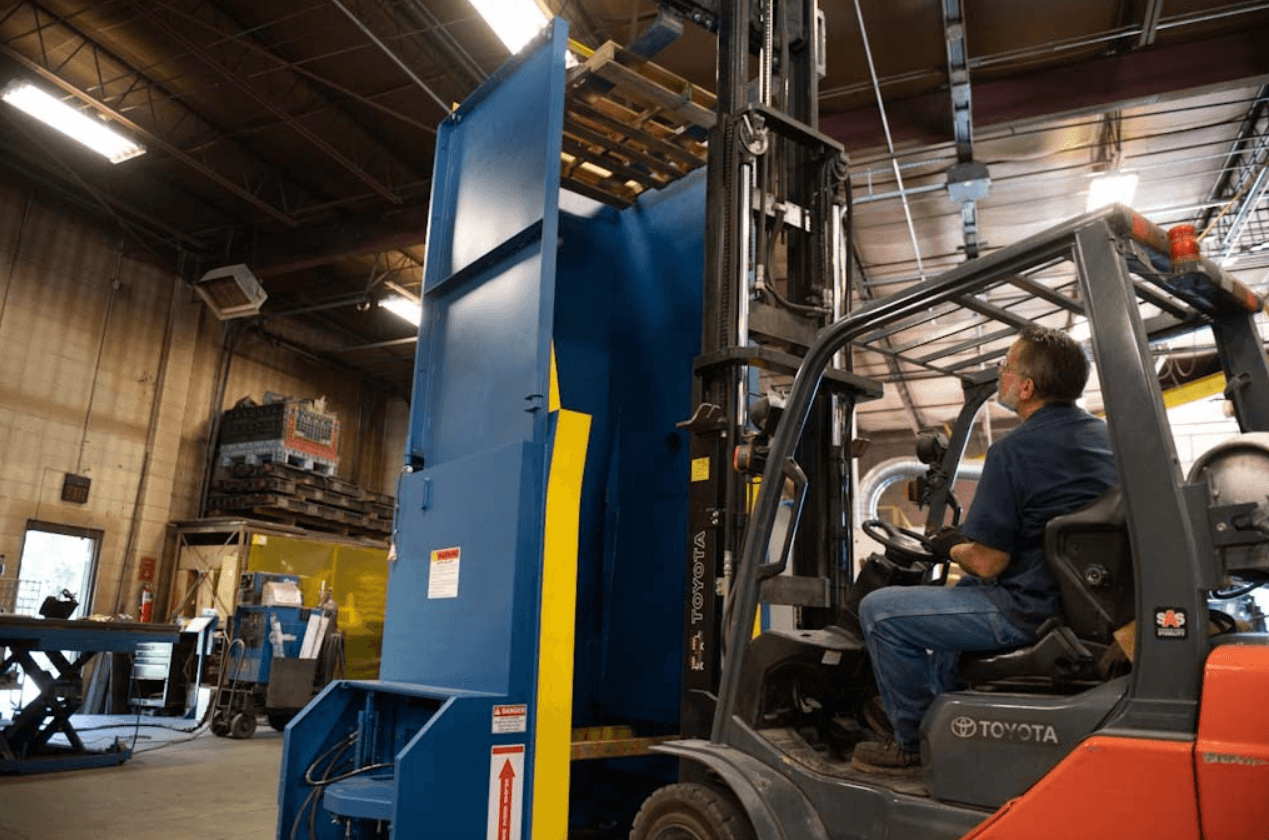
Hydraulic equipment powers some of the most essential work across Southwest Missouri. Whether it is construction in Springfield, farming in Nixa and Ozark, industrial production in Republic, or heavy equipment operation across the 417 region, reliable hydraulic hoses keep projects moving. A single worn hose can shut down an excavator, halt a manufacturing line, or stop a tractor mid-field. The downtime alone can cost thousands, and in severe cases, a burst hose can create safety hazards, damage expensive components, and lead to avoidable spill cleanup.

Because hydraulic systems operate under significant pressure and temperature loads, hoses naturally wear over time. Knowing when to replace them, how to choose the right assembly, and where to take equipment for dependable repair is key to staying productive. This is where a Springfield-based specialist like Yarbrough Industries becomes especially valuable. The company has served Southwest Missouri businesses for decades, offering custom hydraulic hoses, in-shop repairs, mobile service, and full-system hydraulic support when equipment begins to show signs of failure.

This guide explains how to identify when a hose needs replacement, the risks of waiting too long, and what to expect when working with a local expert for fast, reliable service.

What a Hydraulic Hose Actually Does in Your Equipment

A hydraulic hose is more than a flexible line carrying oil. It is a critical link in the fluid power system that transfers force to cylinders, motors, valves, and pumps. Equipment across the Springfield area relies heavily on these hoses, including:

  • Excavators, skid steers, backhoes, and dump trucks on construction sites
    • Agricultural machinery like tractors, planters, balers, and sprayers
    • Industrial machinery, presses, conveyors, and pallet dispensers
    • Custom machinery that Yarbrough Industries engineers and supports

Because hydraulic systems run under high loads, the hose must maintain internal pressure, resist abrasion, withstand vibration, handle temperature fluctuations, and prevent contamination of the hydraulic fluid. When wear or damage compromises the hose, the entire system becomes vulnerable. Poor routing, mismatched fittings, or improper pressure ratings can accelerate failures far sooner than necessary.

A properly selected and installed hose assembly not only keeps equipment running but also protects pumps, valves, and cylinders from strain. This is why working with trained hydraulic technicians instead of relying on generic parts is so important for long-term performance.

Warning Signs Your Hydraulic Hose Needs Replacement

Many hydraulic hose failures do not happen without warning. Operators and maintenance teams can often spot early symptoms if they know what to look for.

Early warning signs

  • Damp or oily spots on the hose cover or around fittings
    • Visible cracks, cuts, or scuffing along the outer surface
    • Abrasion marks from rubbing against frames or metal edges
    • Exposed wire reinforcement showing through the outer layer
    • Minor leaks that leave small drips or wet streaks

These issues typically indicate a hose is reaching the end of its life and should be replaced soon. Continuing to run equipment in this condition increases the chance of a major failure.

Serious red flags

  • Bulges, bubbles, or blisters along the hose body
    • Kinks, severe bends, or crushed sections restricting flow
    • Hoses twisted along their length due to improper installation
    • Sudden changes in system performance, such as slow cylinders, jerky movements, or pressure drops

These conditions suggest that the hose structure has already been compromised. At this point, shutdown and immediate replacement are the safest actions. Trying temporary fixes or clamps is not recommended, as they do not hold high pressure and can put operators at risk.

The Real Cost of Putting Off Hose Replacement

Some operators try to finish out a job before replacing a questionable hose, but the cost of delaying maintenance usually outweighs the time saved. Hydraulic systems can exceed several thousand PSI, and a compromised hose under that pressure can fail without warning.

Safety risks

A pinhole leak caused by internal damage can release oil at injection force, posing a danger to anyone nearby. A full rupture can whip the hose, spray hot hydraulic fluid, or cause machine components to move unpredictably.

Environmental concerns

Hydraulic fluid spills are costly and time-consuming to clean up. On construction sites or farm fields near Springfield, spilled oil can contaminate soil and require remediation.

Equipment damage

A sudden loss of pressure can cause pumps to run dry, cylinders to slam unexpectedly, or valves to become damaged. What could have been a simple hose replacement might turn into a pump rebuild or valve repair.

Downtime

When a hose breaks unexpectedly, the entire job halts. Waiting on replacement parts, towing equipment to a shop, or sourcing emergency repair can cause delays that ripple into missed deadlines.

Replacing a hose at the first sign of deterioration is almost always the more economical and safer choice.

Choosing the Right Replacement Hose and Fittings

Not all hydraulic hoses are created equal. Selecting the proper replacement requires understanding the machine’s specifications and operating environment.

Key factors to consider

  • Working pressure and burst pressure ratings
    • Temperature range of both the fluid and surrounding environment
    • Compatibility with hydraulic oils, bio-fluids, or specialty fluids
    • Hose diameter and flow requirements
    • Flexibility, bend radius, and routing path
    • Type of fittings used by the OEM

Incorrect fittings or off-brand components can create weak points that fail prematurely. This is why many operators in Springfield prefer working with a technician who uses matched systems such as Aeroquip hose and fittings. Matched components ensure that the hose assembly meets safety standards and performs as intended.

Routing also plays a role. A hose installed with too tight a bend or twisted during assembly will fail far sooner than one installed correctly. Shops like Yarbrough Industries specialize in creating custom assemblies that fit equipment cleanly and securely, reducing future wear.

In-Shop Hydraulic Hose Replacement at Yarbrough Industries

Many customers come directly to the Springfield facility when a hose needs to be replaced quickly. Yarbrough Industries offers a walk-in hydraulic hose counter where custom hose assemblies are made while you wait. The shop carries Aeroquip hoses and fittings, allowing technicians to build high quality assemblies that meet the demands of heavy equipment, commercial fleets, and industrial systems.

Additional in-shop capabilities

  • Custom hydraulic hose fabrication for all hose types
    • Hydraulic steel tube bending up to 1¼ inch for rigid, long-lasting plumbing
    • Full hydraulic cylinder repair for every major brand
    • Pump, motor, and valve repair using a 250 hp hydraulic test stand
    • Diagnostic testing of hydrostatic, piston, vane, and gear pumps

These capabilities are helpful when the failure is more than just a hose issue. Sometimes a hose burst reveals leaks in a cylinder or signs of wear in a pump. Having a team that can evaluate the entire hydraulic system helps prevent secondary failures and restores equipment to peak performance.

Mobile On-Site Hydraulic Hose Replacement Around Springfield, Nixa, and Republic

When equipment breaks down on a jobsite, transporting it to a shop is not always practical. This is why mobile hydraulic repair is one of the most valuable services for contractors, farmers, and industrial sites in the Springfield region.

Yarbrough Industries maintains service trucks fully equipped with tools, hose, fittings, welders, generators, torches, and even small cranes. This allows technicians to cut, crimp, install, and test hydraulic hoses on location.

Common situations where mobile service is used

  • A leaking hose on a skid steer in Nixa
    • A ruptured line on a tractor in Republic
    • Industrial lines that need replacement during night-shift downtime
    • Construction machines that cannot be moved without risking further damage

Mobile service significantly reduces downtime because equipment is repaired where it sits. It also prevents the additional wear and tear that can occur when towing or hauling disabled machinery.

Engineering Support for More Reliable Hose Systems

Beyond simple replacements, many customers rely on Yarbrough Industries for engineering support that improves the lifespan of their equipment.

Areas where engineering helps

  • Redesigning hose routing to reduce abrasion and vibration
    • Reviewing hydraulic layouts to eliminate unnecessary fittings or sharp bends
    • Creating updated system drawings through AutoCAD
    • Designing full hydraulic systems for custom equipment
    • Integrating electro-hydraulic controls where needed

The team also includes Eaton certified sales representatives who help companies standardize hose types and fittings across their fleets. Standardization keeps replacement times shorter and reduces the number of spare parts a company must keep in stock.

For systems showing deeper issues, the shop operates an authorized Permco pump and motor build center with one to two day turnaround. This combination of fast parts availability and engineering knowledge is one reason many Springfield businesses rely on Yarbrough Industries for more than basic hose replacement.

Preventive Maintenance: How Often Should Hoses Be Inspected or Replaced

Hydraulic hoses do not last forever, even under ideal conditions. They constantly flex, experience pressure spikes, and encounter abrasion and heat. Preventive maintenance helps spot issues early and extend hose life long before major failures occur.

Inspection intervals

Most operators benefit from a layered inspection routine:

  • Daily visual checks during equipment warm-up to spot leaks, damp spots, and loose fittings.
    • Weekly inspections for signs of abrasion, twisting, rubbing, or worn clamps.
    • Monthly inspections that include checking routing, bend radius, and contact points.

Even when hoses appear fine on the outside, internal wear can occur due to pressure cycling, heat, and contamination. For heavily used equipment or machinery subjected to harsh environments, replacing hoses every three to five years may be advisable, even without visible damage.

Factors that shorten hose life

  • Higher-than-normal operating temperatures
    • Frequent pressure surges or shock loads
    • Tight bend radii or twisted installations
    • Exposure to UV, chemicals, or rough terrain
    • Inconsistent or contaminated hydraulic fluid

Yarbrough Industries offers maintenance service programs designed to help businesses stay ahead of problems. With mobile technicians available for scheduled inspections and on-site repairs, fleets and facilities in Springfield can minimize unexpected downtime and keep equipment in reliable working condition.

What to Expect When You Call Yarbrough Industries for Hose Replacement

Knowing what happens during a hydraulic hose replacement helps equipment owners plan and avoid unnecessary delays. Yarbrough Industries works to make the process straightforward whether the job requires a walk-in hose assembly or a mobile repair.

Step-by-step experience

  1. Initial call: A technician gathers equipment details, symptoms, and location to determine the quickest and safest repair approach.
  2. Recommendation: Depending on the situation, the technician may advise bringing a hose to the Springfield shop or dispatching a mobile repair truck.
  3. On-site evaluation: If mobile service is requested, a technician examines not only the failed hose but the surrounding lines and components to ensure nothing else is compromised.
  4. Fabrication and installation: The technician cuts, crimps, and installs a properly rated hose using matching fittings. If tubing or brackets need repair, those can often be addressed on-site.
  5. System testing: Once installed, the system is pressurized and tested to confirm proper operation.

This approach ensures that the underlying causes of failure—such as abrasion, routing issues, or improper fittings—are addressed instead of simply swapping a hose and risking another breakdown shortly after.

Yarbrough Industries has built its reputation on solving hydraulic issues efficiently. Their philosophy is simple: if it can be repaired, they will repair it; if not, they will advise the best path forward. This commitment is especially valuable for businesses working under tight schedules in construction, agriculture, or industrial production.

Service Area: Springfield, Nixa, Republic, Ozark, and Southwest Missouri

The Springfield facility is centrally located to serve businesses across Southwest Missouri. Areas commonly supported include:

  • Springfield
    • Nixa
    • Republic
    • Ozark
    • Strafford
    • Willard
    • Battlefield
    • Surrounding rural communities

Many companies choose Yarbrough Industries because they can support everything from basic hose replacements to advanced hydraulic diagnostics. Whether equipment fails on a construction site outside Nixa, in a production facility in Springfield, or in a field near Ozark, the team is equipped to travel directly to the customer.

The company also supports commercial fleets, manufacturing plants, farms, and custom equipment operators who rely on fast service to stay productive.

How to Get Started

Whether you are facing a sudden hydraulic hose failure or simply want to schedule preventive maintenance, preparation helps streamline the process. Before contacting Yarbrough Industries, it is useful to gather details such as:

  • Equipment type and model
    • Location of the hose or area of concern
    • Any visible symptoms like leaks, bulges, or loss of power
    • Operating conditions when the issue appeared

If the equipment is down and cannot be moved safely, mobile service may be the fastest solution. For less urgent needs, bringing a hose into the Springfield shop can save time and money.

Customers in Springfield, Nixa, Republic, Ozark, and the surrounding 417 region who want reliable hydraulic hose replacement can reach out to Yarbrough Industries directly through their contact page. https://dev.yarbroughindustries.com/contact-us/

By combining in-shop hose fabrication, advanced hydraulic repair capabilities, and mobile on-site service, Yarbrough Industries offers a complete solution for keeping equipment running safely and efficiently. When a hydraulic hose begins to show signs of wear, replacing it promptly not only protects your machinery but also improves productivity and reduces long-term maintenance costs.

At Yarbrough Industries, we understand how critical hydraulic systems are to your business. Whether you’re managing heavy equipment, industrial machinery, or agricultural operations, even a small leak in a hose can grind productivity to a halt. That’s why we offer fast, reliable hydraulic hose repair and replacement services — both in-shop and on-site — right here in Springfield, Missouri.

With over 75 years of service backing our name, Yarbrough Industries has become a trusted source for precision, speed, and complete fluid power solutions.

Common Signs Your Hydraulic Hose Needs Attention

Hydraulic hoses are designed to perform under pressure, but wear and tear is inevitable. Keep an eye out for:

  • Visible cracking, blistering, or bulging
  • Fluid leaks or pooling near connection points
  • Loose fittings or corrosion
  • Sluggish machine performance or pressure drop

Catching these issues early can help avoid catastrophic system failure. At Yarbrough Industries, we don’t just fix hoses — we look for the root cause to ensure lasting performance.

Mobile Hydraulic Hose Repair When and Where You Need It

When downtime isn’t an option, our mobile hydraulic hose repair service brings the solution straight to you. Whether you’re on a job site, a farm, or inside a plant, our mobile units are fully equipped with everything needed to:

  • Diagnose the problem
  • Build custom hydraulic hoses on-site (including Aeroquip systems)
  • Crimp and install fittings while you wait
  • Get your equipment back up and running fast

We proudly serve Springfield and surrounding areas, minimizing downtime and eliminating the need to transport heavy equipment across town.

Need us on-site? Contact us today to schedule mobile service.

In-House Capabilities That Go Beyond Hose Replacement

Some hose problems are just the tip of the iceberg. That’s why Yarbrough Industries offers a full suite of testing and repair services to catch hidden problems and ensure complete system performance.

We offer:

  • A 250-horsepower hydraulic test stand to simulate real-world pressure
  • Testing for hydrostatic, piston, vane, and gear pumps
  • Evaluation of hydraulic motors, valves, and fittings
  • Maintenance service programs for ongoing support

If you’re seeing pressure loss or inconsistent performance, we’ll help you determine whether the problem lies in the hose, the pump, or somewhere else entirely — and we’ll fix it.

Precision Hydraulic Steel Tube Bending

When you need tighter routing, higher durability, or specific system configurations, hydraulic hose alone may not cut it. That’s where our custom hydraulic steel tube bending up to 1¼” comes in.

Our in-house tube bending services are ideal for:

  • High-pressure systems
  • OEM replacement parts
  • Compact machinery layouts
  • Agricultural and construction equipment retrofits

We create exact bends to your specifications, helping your system perform better — and last longer.

More Than a Hose Shop: A Full-Service Hydraulic and Fabrication Partner

At Yarbrough Industries, we’re proud to be more than just a parts supplier. We’re a comprehensive industrial service provider, with capabilities that include:

  • Hydraulic cylinder repair for all makes and models
  • Custom machining and fabrication
  • Certified welding (MIG, TIG, stick, and spray weld for shafts and surfaces)
  • Pump and valve rebuilding
  • Pallet dispenser and custom machinery manufacturing

Because everything is done in-house, we control quality and speed — helping you avoid unnecessary delays from third-party vendors.

Engineering Support That Solves the Bigger Problem

Hydraulic issues don’t always have a simple fix. Our applications engineering services help clients rethink and improve their systems when necessary. This includes:

  • Complete hydraulic system redesign
  • AutoCAD drawings for new layouts or retrofits
  • Electro-hydraulic programming and control integration
  • Support from experienced, Eaton-certified sales reps

We’re here to help you go beyond the patch — and toward a more efficient system overall.

Real Repairs. Real Results.

We’ve helped companies all over Springfield and the Midwest with hydraulic issues both big and small. From emergency mobile hose replacement to complex system rebuilds, our team has delivered solutions that last.

Here are a few examples:

  • We rebuilt a bucket truck control system with new hydraulic lines and custom foot pedal controls.
  • We repaired a broken auger shaft with sleeving and bolting — getting the customer back in action the same day.
  • We re-machined and welded hydraulic cylinder heads to spec, avoiding a full replacement and saving the client thousands.

When others say it can’t be done, we say, “Let’s figure it out.”

Serving Springfield and the Surrounding Region

Yarbrough Industries proudly serves Springfield, MO and nearby areas across Southwest Missouri. Whether you’re operating a farm, factory, fleet, or facility — we’re here to keep your hydraulic systems strong.

And with mobile units available, we can bring expert service right to your jobsite.

Why Choose Yarbrough Industries?

  • Founded in 1946, with deep roots in Missouri industry
  • One-stop shop for hydraulic, fabrication, machining, and repair services
  • In-house Permco pump/motor build center
  • Mobile hydraulic repair and maintenance programs
  • Trusted by hundreds of manufacturers, fabricators, and contractors
  • Friendly, experienced staff committed to solving problems — not selling band-aids

Get Started Today

Don’t wait until a failed hose shuts everything down. Whether you need hydraulic hose repair, system testing, custom tube bending, or full hydraulic rebuilds — we’ve got the experience, tools, and team to get it done.

Call us at (417) 869-5344
Or reach out through our contact form to schedule service, request a quote, or talk with our experts.

Let Yarbrough Industries help keep your operation moving — with quality, speed, and precision you can trust.

Ready to talk to a Hydraulic Line Repair expert?

When a hydraulic hose fails, time is everything. Whether it’s a combine stuck in a soybean field, a bulldozer halted mid-grade, or a conveyor line frozen at a manufacturing plant, the cost of downtime racks up fast. That’s why mobile hydraulic hose repair has become more than a convenience—it’s a necessity.

In Springfield, MO, where agriculture, construction, and manufacturing power much of the local economy, rapid response hose repair isn’t just a service—it’s insurance against production losses. Yarbrough Industries delivers on this need by offering fast, on-site hydraulic hose replacement designed to minimize downtime and keep businesses moving.

Why Fast Mobile Hose Repair Matters

According to industry research from Parker Hannifin and Eaton, unplanned equipment downtime costs industries globally over $800 billion annually. Even small hydraulic leaks can bring machines to a standstill, halting operations and forcing rescheduling that affects entire supply chains. In some cases, production lines may lose thousands of dollars per hour, depending on the application.

Beyond economic loss, there’s a serious safety and environmental angle to hose failure. A sudden rupture can lead to high-pressure fluid injection injuries or hazardous spills—both of which can be costly in terms of human safety and compliance penalties.

Mobile hydraulic hose service helps mitigate both of these risks. Instead of transporting heavy or immobile equipment to a shop, on-site repair enables technicians to respond quickly, contain leaks immediately, and make precise replacements that get machines back online safely and efficiently.

Common Causes and Warning Signs of Hose Failure

Most hydraulic hose failures are preventable. They typically stem from one of several root causes:

  • Abrasion or physical damage: Hoses that rub against other components or are exposed to external impacts wear down over time.
  • Improper routing: Excessively tight bends or twisting puts stress on internal reinforcements, eventually leading to leaks or ruptures.
  • Temperature extremes: Operating outside the rated temperature range can cause the hose material to harden, crack, or degrade.
  • Pressure surges: Rapid increases in pressure beyond rated limits can cause blowouts.
  • Chemical incompatibility: Using the wrong hose for certain hydraulic fluids can weaken the hose’s inner tube.

Signs of impending failure include:

  • Fluid seepage or visible leaks
  • Cracked or blistered hose covers
  • Bulges or kinks
  • Exposed reinforcement
  • Flattened or twisted lines

Yarbrough Industries technicians are trained to spot these issues before they become a costly problem. By conducting visual inspections and using proper diagnostic tools, they help clients in Springfield and beyond reduce reactive maintenance calls through preventive attention.

Mobile vs. In-Shop Service: Speed, Savings, and Safety

In many cases, hauling equipment to a repair facility is more trouble than it’s worth. That’s where mobile hydraulic service becomes the clear winner.

  1. Time Savings: With mobile service, there’s no need to de-rig the equipment or haul it off-site. Technicians show up with the right parts and tools to complete the job on the spot.
  2. Reduced Downtime: Field replacement avoids further damage that might occur during transport and minimizes time spent waiting for service windows.
  3. Safer Operations: Containing fluid spills where they occur, especially on worksites or inside production facilities, is far safer and reduces environmental liability.

Yarbrough Industries’ mobile units are equipped to handle these jobs efficiently, offering full hose fabrication, pressure testing, and even light rigging work for hard-to-access equipment.

Screenshot 2025 01 05 071154


The Yarbrough Industries Advantage

What sets Yarbrough Industries apart isn’t just that they show up—it’s what they bring when they do.

  • Fully Equipped Mobile Service Trucks: Each vehicle is stocked with a portable crimping machine, a full suite of Aeroquip fittings, an air compressor, hose saws, and even a crane hoist for heavy lifting in field conditions.
  • On-Site Hose Fabrication for All Sizes: From ¼″ to 4″ lines, Yarbrough Industries can fabricate, install, and pressure-test hoses at your location. They carry both standard and metric options, and draw from one of the largest inventories in southwest Missouri.
  • Expert Technicians, Eaton-Certified: The team includes certified hydraulic specialists backed by decades of experience in hose assembly, cylinder repair, and fluid system diagnostics.
  • Hydraulic Test Stand Backup: If the situation requires more intensive testing or if a system needs to be bench-tested post-repair, Yarbrough Industries operates a 250 hp hydraulic test stand at their Springfield facility to verify pressures, flow rates, and system integrity.
  • Fast Dispatch and Flexible Scheduling: The company operates 24/7 and responds to calls across Springfield and the surrounding regions with minimal lead time.

Each service call isn’t just about replacing a hose—it’s about solving a problem, restoring uptime, and doing it right the first time.

Contact us today to schedule service or request a quote

What to Expect During a Service Call

When you call Yarbrough Industries for mobile hydraulic hose repair, you’re not just getting a technician—you’re getting a systemized, safety-first approach. Here’s what a typical visit looks like:

  1. Pre-Arrival Triage: The dispatcher gathers critical information (machine type, hose ID, fluid type, symptoms) so the technician arrives prepared with the right parts and fittings.
  2. Site Assessment & Safety Prep: Once on-site, the tech assesses the system, de-pressurizes it safely, and sets up any necessary spill containment protocols.
  3. Hose Fabrication & Installation: The damaged hose is removed, measured, and replaced with a new one built to match. Proper routing and secure clamping are always part of the job to prevent premature wear.
  4. Testing & Documentation: The new hose is pressure-tested, the system re-energized, and any maintenance paperwork or records updated for your compliance needs.

This process minimizes risk and maximizes uptime.

Preventive Maintenance Programs That Save You Thousands

Mobile hose repair is reactive by nature—but Yarbrough Industries also offers proactive maintenance solutions that stop failures before they happen. Their scheduled service programs are designed to reduce unplanned downtime, protect workers, and extend the life of your hydraulic systems.

These programs include:

  • Hose Tagging and Lifecycle Tracking: Every hose installed is tagged with a unique ID. This allows for lifecycle monitoring, simplifying future replacements and enabling preventive scheduling based on wear data and machine hours.
  • Facility Walkthroughs and System Assessments: Regular inspections by experienced fluid power technicians help identify high-risk hoses before they fail. These walkthroughs also uncover unsafe routing, excessive abrasion, or improperly rated hoses in high-pressure systems.
  • Training for Operators and Maintenance Teams: Yarbrough can train in-house staff on visual inspection techniques, safe hydraulic hose practices, and how to recognize early signs of hose degradation. Educated crews reduce response times and prevent safety hazards.
  • Data-Driven Hose Change Intervals: Using maintenance history, system pressures, and operating temperatures, Yarbrough’s team can suggest optimal replacement intervals based on your environment and usage—not just manufacturer estimates.

This kind of foresight turns hydraulic systems into reliable assets instead of liabilities.

Integrated Solutions Beyond Hose Repair

What really differentiates Yarbrough Industries in the Springfield market is its range of in-house technical services, which go far beyond hose replacement.

For example:

  • Hydraulic Cylinder Repair: From resealing to complete rebuilds, Yarbrough repairs cylinders from all major manufacturers. Their precision machining shop allows them to fabricate custom rod ends, clevises, or barrels when OEM parts aren’t available.
  • Pump and Valve Testing: Using their 250 hp hydraulic test stand, Yarbrough diagnoses issues with vane, piston, and gear pumps, as well as directional and proportional valves. Mobile testing is also available in the field.
  • Custom Hydraulic Tube Bending: When routing hard lines is more efficient or desirable than flexible hose, their team can bend up to 1 ¼″ steel tube with CNC precision for cleaner installations that reduce abrasion and extend hose life.
  • Fabrication and Machining: Yarbrough’s full-service fabrication shop can build custom mounting brackets, guards, manifolds, or even entirely new mechanical assemblies. Their integration of design (AutoCAD), welding, and CNC machining makes them a one-stop partner for industrial reliability projects.

For companies looking to streamline vendor relationships, Yarbrough offers a rare combination of field service capability and deep technical bench strength under one roof.

Real Results: Success Stories From the Field

Yarbrough’s mobile hydraulic hose team has been on call for some of the most time-sensitive, mission-critical fixes across southwest Missouri. A few highlights include:

  • Emergency Combine Repair During Harvest: When a 4″ suction line blew on a combine in the middle of soybean harvest, downtime could’ve meant crop loss. Yarbrough’s mobile tech arrived within the hour, fabricated a new hose on-site, and had the machine running by nightfall.
  • Food Plant Line Restart in Under 2 Hours: A burst high-pressure line halted a packaging conveyor in a Springfield food facility. Using real-time triage, the technician showed up with the right fittings, completed the swap, tested the system, and had the line producing again before the next shift began.
  • Roller Coaster Hydraulic Hub Repair: One theme park needed an urgent replacement for a critical hydraulic hub just days before opening. Yarbrough’s machining and mobile teams worked in tandem—fabricating the part in-house, testing it on their hydraulic stand, and installing it safely in the field.

Several of these stories were featured in short TikTok videos published by Yarbrough Industries—showing real repairs, real equipment, and real turnaround times.

How to Book On-Site Hose Service

If you’re in Springfield, MO or the surrounding areas and need mobile hydraulic hose repair, Yarbrough Industries is ready to roll.

Here’s how to schedule a service:

  1. Call 417-869-5344 to speak directly with a technician or dispatcher.
  2. Or fill out our contact form online at dev.yarbroughindustries.com/contact-us.
  3. Be prepared with details like:

    • Machine make/model
    • Hose diameter and length (if known)
    • Fluid type
    • Symptoms of the issue
    • Location of the equipment

The more info you can provide, the faster your repair will be.

If you operate multiple machines or have ongoing hose failures, ask about fleet service agreements or maintenance program bundles to reduce overall costs and extend hose life.

Final Thoughts

Downtime doesn’t just cost money—it risks safety, delays production, and creates stress. Mobile hydraulic hose repair is the fastest way to get back on track when a hose fails in the field or on the factory floor. But not all mobile services are created equal.

Yarbrough Industries brings decades of experience, a full-service facility, and the region’s most trusted mobile hydraulic repair team to every job. Whether it’s a last-minute emergency or a long-term maintenance partnership, they’re ready to keep your systems moving.

If you’re ready to eliminate the headache of hose failures and work with a partner that’s built to respond fast and fix it right, reach out to Yarbrough Industries today.

Ready to talk to a Hydraulic Line Repair expert?

When equipment fails, the common instinct is to order a new part, schedule the replacement, and brace for the costs—both financial and operational. But in many cases, full replacement isn’t the most practical or efficient solution. Across industries, companies are starting to reconsider the “out with the old” mindset, especially when repairs can restore functionality with equal performance at a fraction of the cost.

That’s where part refabrication comes in. Not a patch job or temporary fix, but a durable, engineered process that rebuilds components to working condition—or even better. And for businesses working under tight timelines or budgets, it’s not just a cost-saving measure, it’s a competitive advantage.

The True Cost of Replacing vs. Refabricating

It’s easy to underestimate the full cost of replacing a part. Beyond the sticker price, there’s shipping, wait times, potential production halts, and labor for removal and installation. If the part is discontinued or customized, the wait could stretch into weeks or even months.

On the other hand, refabrication—when done by the right team—can shorten lead times, reduce expenses, and restore the same or greater functionality without the long lag. By machining new segments, resurfacing wear points, or integrating updated features into the original part, companies can get back up and running far more quickly. In many cases, that savings goes beyond money—it prevents client delays and protects hard-earned reputations.

What Is Part Refabrication?

Part refabrication involves rebuilding or restoring a damaged component so it meets (or exceeds) its original specifications. It’s especially valuable for hydraulic, mechanical, or custom-machined parts where off-the-shelf replacements are expensive, delayed, or simply not available.

Refabrication goes far beyond basic repair. It’s often a comprehensive process that can include:

  • Weld build-up of worn or corroded areas
  • Machining to re-establish tolerances
  • Resurfacing or coating for future durability
  • Sleeve insertion or shaft straightening
  • Boring, tapping, or threading for reassembly
  • Reverse engineering discontinued parts

From broken auger shafts to custom-fitted hydraulic cylinders, refabrication can restore performance and extend the life of equipment that would otherwise be discarded. In many of the shop projects completed by experienced fabrication teams, repaired components perform just as reliably as brand-new ones.

When Refabrication Makes the Most Sense

Not every part is a candidate for refabrication. But when it’s viable, the benefits are significant. Situations where it makes the most sense include:

  • High-replacement costs: Particularly for specialized or OEM-only components.
  • Lead time concerns: When waiting for a new part could halt operations or miss critical deadlines.
  • Older equipment: Replacement parts may be discontinued or require custom machining regardless.
  • Custom components: Parts built specifically for a machine or process with no available replacement.
  • Emergency breakdowns: Getting back online quickly matters more than aesthetics or warranty.

What sets experienced teams apart is their ability to assess the damage and recommend the right path forward. In one example, a worn concrete chimney mold was restored to factory spec through weld build-up and CNC machining, allowing the customer to avoid the high cost of total replacement.

The Capabilities Behind Effective Refabrication

The key to successful refabrication lies in combining engineering knowledge with the right tools. It’s not just about fixing what’s broken—it’s about rebuilding parts to exact specifications using precise machining, welding, and fabrication processes.

Among the most critical capabilities in this process:

CNC and Manual Machining

Whether it’s resurfacing a shaft or remachining a hydraulic gland, precision matters. Skilled machinists utilize both CNC and manual lathes and mills to restore tolerances and dimensions. In one project, a client brought in coupling shafts with complex blind keyways. The team machined them, added broached features, and drilled and tapped multiple holes, creating a completely functional replacement for an unavailable OEM part.

Advanced Welding Services

When areas are worn or structurally compromised, welding is often the first step to building them back up. MIG, TIG, stick, and spray welding methods allow for full flexibility across carbon steel, aluminum, and stainless components. For example, Yarbrough technicians recently welded up sloppy cylinder heads and then remachined them back to spec, allowing the part to be reused instead of replaced. The customer saved significantly—and the welds were so clean that the part looked like new.

Laser and Waterjet Cutting

Laser and waterjet systems provide refined cuts for part segments or template pieces used in the rebuild. The laser system’s use of nitrogen allows for clean edge preparation, reducing secondary finishing work. The waterjet, on the other hand, can cut through virtually any material—from stainless to tool steel, even composite materials—without introducing heat stress. These technologies are invaluable when portions of a part must be replaced or new pieces must be fabricated to interface with an existing component.

Press Brake, Mills, and Tooling

Once parts are rebuilt or cut, the press brake and custom dies allow for bending and shaping to return the structure to original geometry. Whether it’s rebuilding a tank bottom or forming new guard plates, accurate forming ensures both function and fit.

Functional Testing and Hydraulic Services

For components that handle pressure—like pumps, cylinders, or valves—testing is critical. Before any refabricated part goes back to the field, it must be verified to meet pressure and tolerance standards. In one instance, a hydraulic pump was producing only 200 PSI (instead of 4,200 PSI). After internal diagnosis and valve relief adjustments, the pump was restored to proper performance—without ever needing to be replaced.

Bringing the Shop to You: Mobile Repair Services

Some breakdowns can’t wait for shipping. That’s why mobile welding and field service offerings are game-changers in the world of refabrication.

Outfitted with an on-site van, generator, stick welder, and crane, Yarbrough’s field team can come directly to a customer’s location to assess and repair equipment in real time. Whether it’s a failed weld on a structural component or an emergency seal rebuild, field service minimizes downtime and keeps operations moving.

It’s especially useful for equipment that’s too large, delicate, or critical to disassemble and haul. With mobile repairs, even complex issues can be addressed on-site, often in a single visit.

Real-World Refabrication Success Stories

The proof is always in the results. Here are just a few examples of how refabrication saved companies thousands in unnecessary replacement costs:

1. Broken Auger Rebuild

An auger arrived with a snapped shaft. Instead of sourcing a new part, technicians machined a sleeve to fit over the broken area, drilled new bolt patterns, and reassembled the auger with a tight press fit. It was back in use within days—at a fraction of the cost of full replacement.

2. Bucket Truck Control Retrofit

A utility company brought in a worn-out bucket truck assembly. Instead of replacing the entire unit, the team installed new hydraulic lines, fabricated a foot pedal assembly, and custom-built a control box—all integrated into the existing frame.

3. Chimney Mold Recovery

A concrete form used to mold chimneys had worn out of tolerance after repeated use. Rather than scrapping the entire mold, the team welded it up and machined it back down to spec. This kept the customer on schedule and avoided the lead time and expense of ordering a new mold.

4. Hydraulic Cylinder Rework

For a large piece of equipment, the cylinder gland had become too loose to seal correctly. Welders added material where it was needed, and the machinists brought it back down to a press-fit finish. The customer got a tight, reliable seal again—without purchasing a brand-new cylinder.

Long-Term Value: More Than Just Savings

Refabrication isn’t just a short-term fix—it’s a long-term strategy for operational efficiency.

  • Sustainability: By extending the life of components, companies reduce waste and contribute to a circular economy.
  • Budget management: Routine refabrication costs less over time than frequent replacement, freeing up capital for other investments.
  • System knowledge: Teams familiar with a customer’s equipment can catch patterns or root causes of failure, improving uptime and reducing future breakdowns.
  • Customization: Rebuilt parts can often be slightly modified or improved in the process to perform better than the original.

For companies operating legacy equipment, proprietary systems, or on-site machinery, these advantages add up quickly.

Conclusion: Repair Smart. Replace When Necessary. Refabricate When Possible.

In the world of industrial repair, the smartest path forward isn’t always the most obvious. Replacement has its place—but more often than not, refabrication offers a better, faster, and more economical solution.

If your equipment is failing, damaged, or underperforming, don’t rush to scrap it. Consider the possibilities of rebuilding it first. The right team, the right tools, and the right approach could get you back in business faster—and save you thousands.

Curious whether your part can be refabricated instead of replaced? Reach out and find out. You may be surprised what’s possible with the right blend of experience and innovation.

Ready to talk to a Custom Fabrication and Machining expert?

In an industry where structural integrity and repeatable quality are non-negotiable, welding plays a pivotal role in the lifecycle of fabricated parts. Whether it’s a cylinder sleeve that must hold pressure for years or a bracket destined for a high-speed amusement ride, a weld’s precision can make the difference between failure and flawless performance.

As fabrication projects become more complex and customers demand shorter lead times, incorporating automation—while preserving the art of manual craftsmanship—has emerged as the new frontier. This is where collaborative welding robots, or “cobots,” are rewriting expectations. They aren’t replacing welders; they’re equipping shops to deliver consistent results, faster.

What Is a Cobot Welder—and Why It’s a Game-Changer

Cobot welders are collaborative robots designed to work alongside human fabricators, unlike traditional robotic welders that require complex guarding and isolation. These compact machines can be programmed to perform precise welds on repeatable parts, all while operating safely in a shared workspace.

In a modern fabrication environment, they thrive on batch welding jobs with multiple identical parts—anything from amusement park brackets to custom machined flanges. Their value lies in their ability to make every weld identical, from the first to the hundredth, reducing rework and improving throughput.

More importantly, their deployment doesn’t mean sidelining skilled welders. Instead, it allows welders to shift their focus toward complex, one-off repairs, design setups, and quality assurance. In that sense, cobots extend human capability rather than replace it.

Jigs, Tooling, and Repeatability: The Secret to Perfect Welds

One of the lesser-known secrets to achieving flawless welds isn’t in the robot itself—it’s in the tooling that supports it. Shops that understand this invest just as heavily in jigs and fixtures as they do in automation.

For instance, using precision laser-cut jigs, fabricators can hold workpieces in the exact same orientation every time. These jigs are carefully designed to locate each part precisely, ensuring the cobot always welds in the correct position. It removes the guesswork. No shifting, no misalignment—just repeatable perfection.

These jigs aren’t cookie-cutter. In many cases, they are custom-built for specific parts, often integrated with the shop’s CNC, laser cutting, and forming capabilities. That level of control upstream has a huge downstream impact—especially when it comes to critical weld paths.

The Precision Advantage: How Accurate Is the Cobot?

When a part requires a tolerance measured in thousandths of an inch, even minor errors can be disastrous. This is where cobots excel. With carefully calibrated, precision-ground tooling and no need for part reorientation mid-process, the accuracy is exceptional, ±0.010” or better.

One example involved a welded hub assembly that would be pressed into a rotating roller for a theme park ride. After forming the outer ring and machining the groove, it was critical for the welded interface to have no warping or excess buildup. The cobot performed a full 360-degree weld pass with no deviation in width or depth, eliminating post-weld machining.

This level of precision isn’t just useful for showpieces. It plays a vital role in structural welds, fluid-containing parts, and press-fit applications. Whether the job involves carbon steel, stainless, or aluminum, knowing the weld is dead-on gives engineers peace of mind and dramatically cuts down on quality control headaches.

Versatility in Material and Weld Types

The beauty of cobot welders lies in their versatility. Whether you’re dealing with thin 18-gauge stainless or thick carbon steel, cobots are up to the task. In fabrication environments that handle a variety of industrial applications—from pharmaceutical parts to auger repairs for heavy equipment—being able to switch materials and methods matters.

Cobot programming allows for custom weld profiles, including skip welds, tack-only sequences, downhill welds, and perimeter wraps. That makes them equally capable of producing cosmetic surface welds and full-penetration structural joints.

A recent example involved welding hydraulic cylinder heads that had developed wear over time. Instead of fabricating entirely new parts, the team machined the existing component and used the cobot to overlay a uniform weld bead around the seal surface. The weld buildup was then remachined to precise dimensions, saving the customer significant cost and downtime.

Where Human Craftsmanship Still Matters

Even with sophisticated automation, there are tasks that cobots simply aren’t built for—field repairs, dynamic troubleshooting, or adaptive welding jobs where every part is slightly different. That’s where skilled hands take over.

Shops that use cobots most effectively understand where to draw the line. A cobot can weld 50 identical frames in a row. But when a customer brings in a cracked bearing housing from a vintage press, it takes a human to analyze the crack propagation, plan the repair strategy, and blend the final weld by hand.

Some of the most intricate jobs—like blind keyways, stepped repairs on cast iron, or reconditioning non-standard parts—require the experience and judgment that only comes from years of manual welding. Automation enhances this ecosystem. It doesn’t replace it.

The Cobot in Action: Speed, Consistency, and Cost-Savings

In a traditional shop setup, welders must reposition and realign each part manually, which introduces variation and consumes time. The cobot, when paired with robust fixturing, removes this variable entirely. Every weld path is preprogrammed and runs exactly as designed—no fatigue, no guesswork, no mid-job deviation.

The impact on lead times and quality control is measurable. One recent application involved repeat welding of roller coaster components. The cobot’s ability to wrap welds around precise radii and maintain heat distribution allowed the part to meet both cosmetic and mechanical standards on the first attempt. There was no need for rework or weld cleanup.

Cost-efficiency is another benefit. Reduced scrap, fewer post-weld operations, and faster throughput translate into savings that can be passed along to the customer. For companies looking to partner with a fabricator that delivers quality and speed, that’s a key differentiator—especially in industries like manufacturing, agriculture, and heavy transport, where downtime is expensive.

Designed Around the Customer: From CAD to Cobot

One of the advantages of incorporating a cobot into a full-service fabrication shop is how seamlessly it fits into the design-to-delivery workflow. From the moment a customer’s design enters the system, every step—from CAD modeling to waterjet cutting to welding—is optimized for consistency.

When a part is designed, it’s not just for form and function. Engineers also consider how it will be fixtured and welded. That’s why the jig design is just as important as the weld itself. Once the fixture is in place, the cobot can be programmed for hundreds of repetitions with exacting results.

Because the welding department is tightly integrated with machining and forming, there’s little handoff delay or guesswork between stages. Need tapped holes added post-weld? The same team can move the part to a CNC machine or press brake without shipping it out. It’s an efficient, in-house process from start to finish.

This kind of vertical integration is rare and valuable. For customers, it means fewer vendors to coordinate, tighter quality control, and quicker project completion. Whether it’s a single custom prototype or a full production run, every part is delivered with precision—and without delay.

Field-Ready Welding: Where the Cobot Ends and the Crew Begins

Not every welding job happens in a shop. Equipment breaks in the field, hydraulic lines rupture at inconvenient times, and structural repairs can’t wait. That’s why a modern fabrication team needs to be as mobile as they are capable.

Mobile welding services fill the gap where cobots can’t follow. Outfitted with portable welders, on-board power sources, and cranes for heavy lifts, these field units can handle critical repairs on-site—whether in an agricultural setting, construction site, or industrial plant.

This kind of responsiveness is essential. While cobots handle the repeatable production work, skilled welders are out restoring uptime for clients with immediate needs. That flexibility is what makes the entire welding operation—automated and manual—so effective. It’s not about choosing one or the other. It’s about knowing when to use each.

Why Customers Trust Shops That Use Cobot Welding

For customers, the appeal of cobot-welded parts comes down to three things: consistency, quality, and trust. Knowing that every bracket, flange, or frame in a batch is welded to the same tight tolerances means fewer surprises during assembly. It reduces the risk of failure in the field and minimizes the need for inspection rework.

But equally important is knowing that this automation is backed by a team that understands the bigger picture. Welding isn’t just about melting metal—it’s about understanding the forces a part will face, the tolerances it must meet, and the service conditions it will endure.

A fabrication partner that combines advanced cobot technology with traditional skills offers the best of both worlds. It’s not just about tools—it’s about results. And for companies that rely on industrial fabricators for hydraulic components, structural assemblies, or custom machine builds, results are everything.

Conclusion: The Future of Fabrication Is Collaborative

Cobot welding is more than a trend—it’s a step toward smarter, more efficient fabrication. It allows teams to elevate their output, shorten timelines, and consistently deliver perfect welds. But it’s most powerful when used in tandem with human expertise, not in place of it.

Fabrication shops that embrace this balance—where cobots handle high-volume repetition and humans focus on complex, judgment-based work—are building not only better parts but better partnerships.

From precision machining and laser cutting to mobile repair and field welding, having the right capabilities in-house ensures projects get done right, on time, and to spec. That’s how trusted fabrication partners earn long-term business—and how advanced tools like the cobot prove their value one perfect weld at a time.

Ready to talk to a Custom Fabrication and Machining expert?

Distribution centers are the backbone of modern supply chains, managing the flow of goods from suppliers to customers. In an era of rising costs and tight competition, improving efficiency while reducing operational expenses is more critical than ever. Whether you’re overseeing a small facility or a sprawling warehouse network, the right strategies can make a significant difference. This article explores 10 proven methods to enhance efficiency and cut costs, drawing from industry best practices and innovative solutions.

Optimize Warehouse Layout and Space Utilization

The layout of your warehouse is the foundation of operational efficiency. A poorly designed space leads to wasted time, cluttered aisles, and higher labor costs as workers navigate unnecessary obstacles. Conversely, a thoughtfully optimized layout minimizes travel time, maximizes storage capacity, and streamlines workflows.

Start by evaluating your current setup. Are high-demand items easily accessible? Could vertical storage solutions free up floor space? Adjusting aisle widths to accommodate equipment while reducing excess space can also help. For example, slotting fast-moving products near picking stations cuts down on walking time, potentially reducing travel by up to 20%, according to industry studies. Pair this with technology like RFID for real-time tracking, and you can analyze traffic patterns to refine your layout further.

Custom storage solutions can enhance this process, especially when tailored to your specific needs. Companies with expertise in precision machining and fabrication can craft racks or shelving that fit seamlessly into your space, ensuring every square foot works harder for you.

Enhance Pallet Management with a Pallet Dispenser

Automation significantly reduces manual labor, increasing productivity and safety. Implementing pallet dispensers like Yarbrough’s Pal-O-Matic dispenser provides substantial benefits:

  • Time Savings: Saves up to 4.7 hours per 1,000 pallets, significantly reducing labor costs and increasing throughput.
  • Space Efficiency: Stores up to 90 pallets in just 72 sq. ft., reducing warehouse clutter and improving overall space utilization.
  • Reduced Damage: Automated handling reduces pallet damage, protecting inventory and infrastructure.
  • Employee Safety: Eliminates the physical strain associated with manual pallet handling, dramatically decreasing injury risks and associated medical and insurance costs.

Implement Warehouse Management Systems (WMS)

A warehouse management system (WMS) is like a central nervous system for your distribution center. It brings order to chaos by providing real-time visibility into inventory, orders, and workflows. Without it, you’re relying on manual processes that invite errors—errors that cost time and money.

A good WMS offers features like inventory tracking, order fulfillment automation, and integration with existing ERP systems. This can reduce inventory discrepancies by as much as 30%, freeing up resources otherwise spent on corrections. Look for systems with advanced analytics to predict demand and optimize stock levels, helping you avoid overstocking or stockouts. The key is seamless integration—disruptions during implementation can stall progress, so ensure your system syncs with what you already have in place.

Equipment reliability is critical here, too. Hydraulic systems powering conveyors or lifts need regular maintenance to keep a WMS running smoothly, and partnering with specialists in hydraulic sales and service can minimize downtime, keeping your operation humming.

Benefits of WMS Integration:

  • Real-time tracking of inventory from reception through to final delivery.
  • Reduction in errors due to automated data entry and barcode scanning.
  • Improved decision-making from data-driven insights and enhanced analytics.

Automate Storage and Retrieval

Automation is a game-changer for distribution centers aiming to boost efficiency. Automated Storage and Retrieval Systems (ASRS), robotic picking arms, and conveyor networks take repetitive tasks off human hands, cutting labor costs and speeding up processes. Imagine a system that retrieves pallets or bins in seconds, rather than minutes spent searching manually.

The benefits are clear: fewer errors, faster throughput, and reduced physical strain on workers. Some facilities report a 25% increase in picking speed after adopting automation. Take robotic picking systems, for instance—they excel in high-volume environments, ensuring orders are processed quickly and accurately. Companies like Dassault Falcon Jet have seen delivery times improve significantly with such systems.

Maintenance is key to keeping automation effective. Hydraulic components in these systems, like those in lifts or conveyors, require expert care to avoid breakdowns. Services specializing in hydraulic repair can ensure these machines stay operational, supporting your efficiency goals without interruption.

Improve Picking Efficiency

Picking is often the most labor-intensive part of warehouse operations, so refining this process can yield big wins. Different strategies—batch picking, zone picking, or wave picking—suit different setups. Batch picking, for example, groups similar orders to reduce travel time, while zone picking assigns workers to specific areas for focused effort.

Technology can elevate this further. Pick-to-light systems guide workers with visual cues, and voice-directed picking boosts accuracy to near-perfect levels—some report 99% precision. Wearable tech, like smart glasses, can also display instructions hands-free, speeding up the process. Training is essential to make these tools effective; regular sessions ensure your team adapts to new methods and maintains peak performance.

Cross-training adds flexibility, too. A workforce skilled in multiple roles can shift as demand changes, keeping operations smooth. Insights from safety-focused training programs can also inform picking practices, reducing errors and injuries that slow things down.

Optimize Transportation and Shipping

Efficient returns processing enhances customer satisfaction and fosters stronger vendor partnerships. Returns are inevitable, especially in ecommerce. A seamless returns system not only improves customer retention but also allows you to quickly restock returned items and minimize inventory holding costs. Implementing a straightforward, user-friendly returns process encourages repeat business and reduces administrative burdens.

Optimize Last Mile Delivery

Efficiency doesn’t stop at the warehouse door—it extends to how goods leave your facility. Optimizing transportation starts with smarter routes. GPS and route-planning software can shave off miles and minutes, potentially cutting fuel costs by 15%. Load consolidation is another tactic: combining shipments into fewer trips reduces expenses and speeds up delivery schedules.

Partnering with reliable logistics providers can offload some of this burden, ensuring shipments arrive on time without tying up your resources. But internal processes matter, too. Efficient loading and unloading, supported by well-maintained hydraulic equipment like pumps or hoses, keep trucks moving in and out without delay. Every minute saved here ripples through your cost structure, making transportation a key lever for savings.

Streamline Order Fulfillment Processes

Order fulfillment efficiency directly impacts profitability and customer satisfaction. Adopt methodologies such as batch, wave, or zone picking to match your specific needs:

  • Single Order Picking: Ideal for low-volume centers.
  • Batch or Cluster Picking: Great for warehouses with high-volume orders containing multiple SKUs.
  • Zone Picking: Ideal for larger warehouses, especially those with varied storage conditions (refrigerated and non-refrigerated).

Consider RFID (Radio Frequency Identification) and barcode scanning to streamline and automate picking, reducing time and manual errors.

Implement Energy-Efficient Practices

Energy costs can quietly drain a distribution center’s budget, but small changes add up. Switching to LED lighting slashes electricity use by up to 50%, and energy-efficient HVAC systems keep temperatures stable without breaking the bank. These upgrades pay off quickly in lower utility bills and a smaller carbon footprint.

Forklifts, a staple in most warehouses, are another focus. Regular maintenance ensures they run efficiently, whether powered by fuel or hydraulics. Optimizing their use—say, by planning routes to minimize idle time—further trims costs. For forward-thinking facilities, renewable energy like solar panels could offset power needs, though the upfront investment requires careful planning.

Specialists in hydraulic systems can extend the life of energy-dependent equipment, ensuring it runs lean and green, which aligns with both cost-cutting and sustainability goals.

Train Employees for Efficiency

Your workforce is your greatest asset, and training them well unlocks untapped potential. Continuous education keeps employees sharp on new tools and techniques, potentially boosting productivity by 10%. From mastering a WMS to handling automated systems, a skilled team drives efficiency at every level.

Cross-training builds resilience. When workers can step into multiple roles, you’re covered during absences or demand spikes. Pair this with performance metrics—tracking picks per hour, for instance—and incentives to reward top performers, and you’ll foster a motivated, capable crew. Safety training ties in here, too; fewer accidents mean less downtime and lower costs.

Companies with a strong safety culture often have insights worth borrowing. Their approaches to training can inspire programs that blend efficiency with injury prevention, keeping your operation running smoothly.

Implement Lean Manufacturing Principles

Lean principles, borrowed from manufacturing, work wonders in distribution centers. The goal is simple: eliminate waste—whether it’s excess inventory, unnecessary steps, or idle time. Tools like value stream mapping pinpoint inefficiencies, and applying the 5S method (Sort, Set in order, Shine, Standardize, Sustain) keeps your workspace organized.

Kaizen events—short, focused improvement sessions—engage employees in refining processes, fostering a culture of continuous progress. Studies suggest lean practices can cut waste by 20%, directly lowering operational costs. For a distribution center, this might mean streamlining picking routes or reducing overstocked shelves.

Experience in maintaining efficient operations, such as managing large parts inventories, can offer practical lessons here. That kind of know-how subtly informs lean strategies, making them more effective.

Enhance Safety and Security

Safety and security aren’t just compliance issues—they’re efficiency drivers. Comprehensive safety training reduces accidents, which keeps workers on the job and insurance premiums down. Security measures like cameras and access controls protect inventory from theft, avoiding costly losses.

Compliance with regulations is non-negotiable—fines or shutdowns derail operations fast. Reliable equipment plays a role, too. Hydraulic hoses or pumps powering safety-critical systems need regular testing to prevent failures. Partnering with experts in these areas ensures your facility stays safe, secure, and operational, minimizing disruptions that eat into your bottom line.

Partner with a Trusted Local Vendor

In an industry where downtime equates to lost revenue, partnering with a trusted local vendor like Yarbrough Industries offers significant advantages:

  • Faster Turnaround: Local and independent vendors can typically provide quicker repairs compared to OEMs, minimizing downtime.
  • One-stop-shop: Yarbrough Industries offers comprehensive solutions, including hydraulic repairs, precision machining, and fabrication.
  • Reliability and Quality: Reputation for high-quality workmanship, extensive regional inventory, and exceptional customer service.

Conclusion

Improving efficiency and reducing operational costs in distribution centers is critical to maintaining profitability and customer satisfaction. By implementing these best practices—ranging from layout optimization and automation to process improvements and partnering with reliable local vendors like Yarbrough Industries—you can transform your distribution center into a leaner, more efficient operation ready to meet the challenges of today’s competitive market.

Ready to boost your distribution center efficiency? Contact Yarbrough Industries today for personalized guidance and expert services tailored to your business needs.

Ready to talk to a warehouse safety expert?

In today’s fast-paced industrial environments, efficient handling and management of pallets can significantly impact productivity, workplace safety, and overall operational costs. Automated pallet dispensers, like the Pal-O-Matic, have increasingly become essential assets to facilities across various industries. This article explores the Pal-O-Matic pallet dispenser’s key benefits, functionality, seamless integration capabilities, and highlights why it represents an optimal investment for any company aiming to enhance its productivity and safety standards.

Understanding the Pal-O-Matic Pallet Dispenser

A pallet dispenser is an automated system specifically designed to replace manual pallet handling. Pallet dispensers securely hold multiple pallets—commonly up to 45 or even 90, depending on the model—and systematically dispense them one at a time at floor level. This allows quick and easy retrieval using electric pallet jacks, manual pallet jacks, or forklifts, streamlining the entire pallet handling process.

A Pal-O-Matic Pallet Dispenser is carefully engineered to enhance both manual and semi-automatic palletizing systems. It’s a practical solution that ensures pallets are always ready and easily accessible for workers to place products without delays.

How Does a Pal-O-Matic Work?

The operation of a pallet dispenser like the Pal-O-Matic is simple yet extremely effective. First, pallets are loaded into the dispenser via a forklift. Once loaded, the dispenser automatically positions a pallet at ground level, making it readily accessible for retrieval by pallet jacks or forklifts. When a pallet is removed, the dispenser immediately provides another, maintaining a continuous flow of pallet availability. This cycle greatly reduces downtime associated with manually locating and retrieving pallets.

Model Highlights

The Pal-O-Matic series includes different models designed to meet varied operational needs:

  • Model 9000: Holds up to 90 pallets while occupying a compact space of just 72 square feet.
  • Model 4500: Designed for tighter spaces, holding 45 pallets within only 40 square feet of floor space.

These models illustrate how efficiently Pal-O-Matic dispensers can utilize space while improving the pallet management process.

Benefits of Implementing a Pal-O-Matic Dispenser

Efficiency is critical in warehouse and distribution environments. Traditional manual pallet handling consumes significant time, especially during busy operational periods. According to a customer time study, automated dispensers like the Pal-O-Matic can save up to 4.7 hours per 1,000 pallets. This considerable time saving enables workers to redirect their efforts to other essential tasks, thereby enhancing overall productivity and operational efficiency.

Space Optimization

One often-overlooked advantage of automated pallet dispensers is the optimization of warehouse floor space. The Pal-O-Matic dispenser utilizes vertical space, stacking pallets neatly and securely in a compact footprint. For instance, the Model 9000 occupies just 72 square feet while holding 90 pallets—more than twice the number of pallets you could stack in the same area manually. This frees up valuable floor space for other operational uses.

Reduced Pallet Damage

Manual pallet handling typically results in frequent pallet damage due to mishandling, accidental drops, or improper stacking. Such damages increase operational costs due to pallet replacement and can even damage infrastructure like columns and rack legs. Pal-O-Matic dispensers eliminate these issues by automatically managing and dispensing pallets securely, significantly reducing instances of pallet damage.

Enhanced Workplace Safety

Workplace safety is a critical consideration in any operation. Manually lifting and stacking heavy pallets pose a significant injury risk to workers, including costly injuries related to overexertion and repetitive motion. The Pal-O-Matic eliminates the manual lifting requirement, thereby drastically reducing the likelihood of these injuries. This not only creates a safer work environment but also potentially saves thousands in medical expenses and lost productivity.

Improved Employee Morale

Automation like the Pal-O-Matic doesn’t just improve safety; it enhances employee morale. Workers who benefit from automated assistance often report higher job satisfaction as their tasks become more manageable and less physically taxing. Employees who feel valued and experience less physical stress tend to be more productive, motivated, and loyal, ultimately benefiting overall business performance.

Financial Advantages

The financial benefits of incorporating a Pal-O-Matic dispenser can be quickly realized. With reduced pallet damage, lower injury-related expenses, optimized space usage, and significantly increased productivity, facilities often experience a return on investment within as little as one year. This rapid ROI makes automated pallet handling not just a luxury but a financially sound decision.

Long-Term Reliability

Pal-O-Matic dispensers are designed for long-term use, even under demanding industrial conditions. With proper maintenance, these machines typically have an expected lifespan of over 12 years, with many operational units lasting beyond 15–25 years. Reliable machinery translates to consistent productivity and fewer interruptions, greatly reducing downtime and maintenance-related costs.

Learn more about Why Purchase A Pallet Dispenser here: “Why Purchase A Pallet Dispenser?”  

Seamless Integration Into Your Facility

Integrating a new piece of equipment into existing facilities often poses significant challenges, including costly reorganizations or even expansions. The Pal-O-Matic dispenser, however, stands out for its remarkable adaptability. With a compact, mobile design, it easily fits into existing warehouse layouts—often using the same or even less space than current manual pallet handling setups.

The Model 4500 is particularly suited for tight spaces, holding 45 pallets in just 40 square feet. Such efficient use of space allows for seamless integration into any operational environment without the need for extensive remodeling, ensuring minimal disruption to your ongoing workflow.

Modular Flexibility

One of the defining features of the Pal-O-Matic system is its modular flexibility. Businesses operate under various demands and environments, making flexibility paramount. This dispenser effortlessly integrates with your existing equipment—be it semi-automated palletizing systems, order-picking processes, or general storage and dispensing operations.

Its modular nature allows it to accommodate different pallet sizes and shapes, from standard pallets to custom-built skids. Such adaptability ensures that, as your operational needs evolve, your investment in automated pallet handling continues to provide substantial value.

Customizable for Your Industry

Automation solutions need to accommodate a wide range of industries, each with unique requirements and challenges. The Pal-O-Matic dispenser does precisely this, efficiently handling pallets in diverse sectors such as:

  • Medical supply and pharmaceuticals
  • Cosmetics manufacturing
  • Food processing and grocery warehouse operations
  • Chemical production and handling
  • Auto parts and automotive distribution
  • Paper products and consumer goods distribution
  • General material handling environments

This wide applicability underscores the versatility of automated pallet dispensers, showcasing their value not just in efficiency and safety, but in operational flexibility.

Learn more about Why Pallet Dispensers are Essential here: “Why You Need A Pallet Dispenser For Your Business”  

The Yarbrough Advantage

Selecting a solution provider for automation equipment extends beyond the product itself. A company’s experience and credibility play crucial roles in ensuring lasting satisfaction and operational efficiency. Pal-O-Matic dispensers, created and patented in 1985, are backed by a long history of precision engineering and proven reliability.

Originating from a foundation built on decades of machining, fabrication, and hydraulic expertise, these dispensers embody technical excellence and innovation. The careful engineering ensures high durability, minimal maintenance, and exceptional reliability, factors that contribute significantly to the value your business receives from the investment.

Comprehensive Industrial Services

When choosing equipment, considering the full suite of services a provider can offer is essential. Investing in machinery from a comprehensive service provider ensures easy maintenance, expert repairs, and reliable support throughout the machine’s lifecycle. Providers of automated dispensers, like the Pal-O-Matic, typically offer a range of complementary services, including precision machining, fabrication, hydraulic repairs, and more.

By selecting a provider with a broad scope of industrial capabilities, you ensure consistent quality, quicker turnaround times, and reliable service. This means less downtime, simplified operations, and peace of mind for facility managers and business owners alike.

Customer-Focused Approach

Purchasing automated equipment is not merely transactional—it’s a strategic partnership aimed at enhancing productivity and reducing costs. A customer-focused approach is essential to this partnership, guiding businesses from initial inquiry to final installation and beyond.

Businesses benefit greatly from thorough pre-sales consultations, detailed project support, and ongoing after-sales service, including technical assistance and parts availability. This commitment to service excellence ensures that your automated pallet handling system continues delivering optimal performance long into the future.

Proven Results and Case Studies

Concrete examples of successful implementations provide compelling proof of the value of automated pallet dispensers. Facilities across various industries report significant productivity improvements—like the notable saving of 4.7 hours per 1,000 pallets—after implementing automated solutions.

Case studies often highlight dramatic reductions in workplace injuries, translating into substantial cost savings. Employee morale, too, improves noticeably as physically demanding tasks are automated, fostering an environment of appreciation and enhanced productivity.

Many facilities continue to operate their Pal-O-Matic machines long after expected lifespans—up to 15, 20, or even 25 years—showing both the product’s durability and the sustained support customers receive long after their initial purchase.

Why Yarbrough Industries?

When evaluating automation options, the expertise and history of the provider are critical factors. A longstanding presence in the industrial machinery market typically equates to quality, reliability, and superior service standards. With roots dating back to 1946, providers of Pal-O-Matic pallet dispensers have established a robust reputation for innovative engineering, proven reliability, and exceptional craftsmanship.

Family-owned and operated through multiple generations, this commitment to quality is reflected in each piece of equipment they produce, providing confidence that you’re investing in reliable, expertly engineered machinery designed to last decades.

One-Stop Industrial Solutions

Providers who offer integrated industrial solutions can significantly simplify operations for businesses. By consolidating services—from hydraulic repairs to precision machining, fabrication, and custom machinery—companies reduce the complexity and delays associated with managing multiple vendors.

Choosing an equipment provider with comprehensive in-house capabilities ensures rapid response, precise control over quality standards, and a simplified supply chain. Facilities benefit from consistent quality, reduced downtime, and streamlined operations.

Take Action: Optimizing Your Operations

As businesses continually seek ways to enhance operational efficiency, improve workplace safety, and optimize financial returns, the Pal-O-Matic automated pallet dispenser represents an invaluable addition. The numerous benefits—from reducing operational costs and increasing worker satisfaction to optimizing valuable warehouse space—are clear indicators of the significant value provided by automating pallet management.

If your facility faces challenges with manual pallet handling, space limitations, workplace safety, or rising operational costs, now is an ideal time to evaluate how integrating a Pal-O-Matic system can transform your operations. Consulting a provider who specializes in automated pallet dispensers, precision machining, hydraulic service, and custom fabrication can provide tailored solutions designed explicitly for your business needs.

Get Started Today

To explore how an automated pallet dispenser can specifically benefit your operation and align with your strategic goals, consider contacting a trusted provider to discuss your requirements, receive expert recommendations, and obtain a tailored quote.

By investing in automated pallet handling solutions today, you’re taking a significant step toward optimizing productivity, safeguarding employees, reducing operational costs, and achieving sustainable business growth for years to come.

 Learn more about our Pal-O-Matic Pallet Dispenser Here

Ready to talk to a Pallet Loader & Dispenser expert?

At Yarbrough Industries, we understand how crucial it is to keep your operations running smoothly. Whether you’re in Missouri, Kansas, Nebraska, Iowa, Arkansas, or Oklahoma, having quick access to the right hydraulic parts, industrial components, and custom machining services can make all the difference in keeping your equipment functional and reducing downtime.

For over 75 years, we have been a trusted partner for industries across the Midwest, offering an extensive inventory of hydraulic pumps, motors, cylinders, fittings, seals, and fabrication materials. Our online inventory is one of the largest in the region, making it easy for businesses to find exactly what they need when they need it.

If you’re looking for a reliable supplier for hydraulic components, precision machining, and industrial repair services in Missouri, Kansas, and beyond, Yarbrough Industries is your one-stop solution.

1. The Midwest’s Largest Industrial Inventory – What Sets Us Apart?

We take pride in offering one of the most extensive industrial inventories in the Midwest, ensuring that businesses in Springfield, St. Louis, Kansas City, Wichita, Tulsa, Omaha, and surrounding areas have immediate access to the components they need. Our inventory includes:

  • Hydraulic pumps and motors – We carry trusted brands like Permco, Eaton, Vickers, and Char-Lynn, ensuring durable and efficient performance for industrial applications.
  • Hydraulic cylinders – Used in loaders, excavators, presses, and other industrial equipment, our cylinders provide reliable power and smooth operation.
  • Seal kits and fittings – Essential for maintaining hydraulic systems and preventing fluid leaks, we offer seal kits compatible with various equipment brands.
  • Custom-machined parts – We provide precision machining to create custom components for specialized applications, helping businesses avoid costly OEM wait times.
  • Welding and fabrication materials – From structural reinforcements to completely custom builds, we supply the materials you need for heavy-duty fabrication projects.

Why a Large Inventory Matters

When industrial machinery breaks down, waiting weeks or months for parts from an OEM can halt production and lead to significant financial losses. That’s why we maintain a large in-stock inventory so businesses across Missouri, Kansas, Nebraska, and Arkansas can get the parts they need without unnecessary delays.

Instead of juggling multiple vendors, our customers appreciate the convenience of finding everything in one place, reducing procurement costs and simplifying the purchasing process.

2. Comprehensive Hydraulic Sales & Services

Hydraulic systems power construction, agriculture, manufacturing, and heavy equipment industries. We offer a full range of hydraulic components and repair services to keep your machinery running at peak efficiency.

Some of our most sought-after hydraulic components include:

  • Permco hydraulic pumps and motors – Known for their rugged durability and high performance.
  • Rotary union seal kits – Essential for maintaining pressure integrity in rotating machinery.
  • Aftermarket Bobcat lift and boom cylinders – A reliable replacement option for construction and agricultural equipment.
  • Hydraulic hose fittings and quick couplers – To keep your hydraulic systems secure and leak-free.

Hydraulic Repair & Maintenance Services

In addition to providing top-tier components, we specialize in hydraulic repair services to extend the lifespan of your equipment. Our on-site and in-shop repair services help businesses across Springfield, Kansas City, and St. Louis minimize downtime.

Our hydraulic repair capabilities include:

  • Cylinder resealing and rebuilds – Restoring performance and preventing costly fluid leaks.
  • Pump and motor diagnostics & repairs – Optimizing hydraulic efficiency to keep machines running longer.
  • Mobile repair services – Our team can provide on-site troubleshooting and emergency repairs, helping businesses across Missouri get back to work faster.

3. Precision Machining & Custom Fabrication – More Than Just Parts

Off-the-shelf parts don’t always fit every application. Our precision machining services allow businesses to:

  • Replace obsolete OEM components that are no longer in production.
  • Create specialized parts tailored to unique equipment needs.
  • Optimize performance with custom-designed components.

Advanced Machining Capabilities

We offer a full suite of machining services, including:

  • CNC machining for precision parts used in aerospace, automotive, and industrial machinery.
  • Manual machining for small-batch or one-off custom parts.
  • Metal cutting, bending, and forming for fabrication projects.

Welding & Fabrication Services

Our full-service welding and fabrication team provides:

  • Structural reinforcements for industrial equipment.
  • Custom-built enclosures, brackets, and mounts for unique applications.
  • Heavy-duty repairs and modifications for construction and agricultural machinery.

4. Heavy Equipment Repair – A One-Stop Shop for Industrial Needs

When heavy equipment fails, projects come to a halt. Our industrial repair services ensure businesses across Missouri, Kansas, Nebraska, and Iowa have access to fast, reliable repairs.

Common Repairs We Handle

  • Grapple cylinders for forestry and construction equipment.
  • Bobcat tilt cylinders for loaders and excavation machinery.
  • Hydraulic motors and pumps for industrial and agricultural applications.

By providing full-service industrial repair, we help businesses get their machines back up and running without long OEM wait times.

5. Why Choose Yarbrough Industries Over OEMs?

While OEM parts are known for their quality, they come with long lead times and higher costs. Many businesses in Missouri, Kansas, and surrounding states turn to local suppliers like Yarbrough Industries for:

  • Immediate availability of in-stock parts.
  • Competitive pricing with the same quality as OEMs.
  • Custom machining and fabrication services for hard-to-find parts.

Local Expertise with a Regional Reach

We have served the Midwest industrial community since 1946, offering:

  • Quick response times for RFQs and custom orders.
  • A deep understanding of regional industrial needs.
  • Access to a knowledgeable team that provides expert guidance.

For businesses looking to cut costs, reduce wait times, and work with a trusted local partner, Yarbrough Industries is the right choice.

6. How to Shop the Largest Industrial Inventory Online

Our online inventory makes it easy to find and order the hydraulic, industrial, and fabricated components your business needs. Customers across Missouri, Kansas, Oklahoma, and Nebraska can:

  • Browse our catalog of hydraulic pumps, motors, cylinders, and industrial components.
  • Request custom quotes for machining and fabrication.
  • Place bulk orders for large-scale industrial projects.

For businesses in Springfield, St. Louis, Kansas City, Wichita, Tulsa, and beyond, we are committed to providing fast, reliable access to high-quality parts and repair services.

Conclusion

At Yarbrough Industries, we take pride in offering the largest industrial inventory in the Midwest, serving Missouri, Kansas, Nebraska, Iowa, and Oklahoma with top-tier hydraulic components, machining services, and industrial repair solutions.

If you need high-quality industrial components, fast hydraulic repairs, or custom fabrication, contact us today. Let’s keep your business running efficiently with the best solutions in the region.

🚀 Browse our inventory or request a quote today!

Ready to talk to a Custom Fabrication and Machining expert?

In today’s competitive warehousing and manufacturing sectors, efficiency is everything. Streamlined operations ensure faster production times, lower operational costs, and happier, safer employees. One of the simplest yet most effective ways to achieve these goals is by integrating industrial pallet dispensers into your workflow.

Industrial pallet dispensers automate the repetitive task of pallet stacking and dispensing, freeing up employees for more critical responsibilities while enhancing workplace safety. For over 75 years, Yarbrough Industries has been a trusted partner for businesses seeking innovative industrial solutions, including precision hydraulic systems and custom fabrication. This blog explores the many benefits of pallet dispensers and why they are a must-have for your facility.

What Are Industrial Pallet Dispensers?

Industrial pallet dispensers are machines that automate the process of storing and dispensing pallets. Typically, these devices hold a stack of pallets and release them one at a time as needed, eliminating the need for manual handling.

Pallet dispensers are versatile and designed to accommodate various materials such as wood, plastic, metal, and export pallets. Whether you operate a small warehouse or a large manufacturing plant, these machines can adapt to your specific needs. For example, Yarbrough Industries’ Pal-O-Matic Pallet Dispenser, patented in 1985, is designed for seamless integration into industrial workflows. Its reliability and ease of use make it a practical choice for businesses looking to optimize their operations.

Key Benefits of Pallet Dispensers

1. Increased Efficiency

Save Time with Automation

Time is money, especially in industries where delays can disrupt the entire supply chain. Pallet dispensers automate repetitive tasks like stacking and dispensing, ensuring that pallets are always available when needed. By reducing manual intervention, these machines minimize downtime and keep operations running smoothly.

Free Up Employees for High-Value Tasks

Employees no longer need to spend hours handling pallets manually. Instead, they can focus on more strategic responsibilities such as inventory management, quality control, or equipment operation. This not only enhances productivity but also boosts employee morale by eliminating mundane tasks.

2. Enhanced Workplace Safety

Reduce Injury Risks

Warehouse injuries, particularly musculoskeletal disorders (MSDs), are often linked to manual pallet handling. Tasks such as lifting, bending, and twisting to move pallets can lead to back strains, ligament tears, and other injuries. Pallet dispensers mitigate these risks by automating heavy lifting and repetitive movements, creating a safer workplace.

Create an Ergonomic Work Environment

Automation doesn’t just reduce injuries—it also promotes a more ergonomic workspace. With pallet dispensers taking over physically demanding tasks, employees can perform their duties with less strain and fatigue, leading to improved productivity and job satisfaction.

3. Cost Savings

Lower Labor Costs

Labor is one of the most significant expenses in warehouse operations. By automating pallet handling, businesses can reduce their reliance on manual labor, reallocating resources to roles that directly impact revenue. This leads to substantial cost savings over time.

Minimize Product and Pallet Damage

Manual handling often results in dropped pallets or damaged goods, leading to wasted resources and increased replacement costs. Pallet dispensers ensure precise handling, protecting both pallets and their contents. This translates to fewer losses and greater operational efficiency.

How Pallet Dispensers Work

At their core, pallet dispensers operate by automatically dispensing pallets from a stacked supply. The machine stores a vertical stack of pallets and uses a mechanism—such as a conveyor or lifting system—to release them one at a time as required. This simple yet effective process integrates seamlessly into most warehouse workflows.

For example, the Pal-O-Matic Pallet Dispenser by Yarbrough Industries is built for long-term reliability. It features a compact design that minimizes floor space requirements while maximizing functionality, making it ideal for facilities of all sizes. Additionally, its low-maintenance design ensures minimal operational disruptions.

Customization and Integration

1. Tailored Solutions for Unique Needs

Every warehouse is different, with varying layouts, capacities, and operational goals. Pallet dispensers can be customized to fit these unique requirements. Yarbrough Industries, known for its precision machining and custom fabrication expertise, ensures that each dispenser is tailored to meet the specific needs of their clients. From compact designs for tight spaces to heavy-duty models for large-scale operations, their solutions are built to optimize efficiency.

2. Seamless Workflow Integration

One of the standout features of pallet dispensers is their ability to integrate into existing workflows with minimal disruption. Their modular designs allow them to adapt to current systems, ensuring a smooth transition to automation. Whether you’re upgrading an outdated process or introducing automation for the first time, Yarbrough’s expertise in industrial solutions ensures a seamless fit.

Screenshot 2025 01 05 072311

Why Choose Yarbrough Industries?

1. A Legacy of Innovation

Since 1946, Yarbrough Industries has been a leader in industrial solutions, providing expertise in hydraulic systems, machining, and fabrication. Their invention of the Pal-O-Matic Pallet Dispenser exemplifies their commitment to innovation and customer-focused design.

2. Comprehensive Services

Beyond pallet dispensers, Yarbrough Industries offers a wide range of services to support your facility’s needs. These include:

  • Hydraulic system maintenance and repair.
  • Custom fabrication tailored to client specifications.
  • Precision machining for high-performance equipment.

3. Commitment to Quality

Yarbrough Industries is dedicated to delivering reliable, high-quality equipment that stands the test of time. Their emphasis on durability and precision ensures that your investment pays off in both the short and long term.

Real-World Applications

1. Industries That Benefit

Pallet dispensers are versatile machines suitable for a wide range of industries, including:

  • Warehousing and distribution.
  • Manufacturing.
  • Logistics and transportation.

2. Common Use Cases

From handling large volumes of pallets in a high-demand facility to automating repetitive tasks in smaller warehouses, pallet dispensers offer practical solutions for enhancing efficiency and safety.

Conclusion

Industrial pallet dispensers are a game-changer for warehouses and manufacturing facilities. By automating repetitive tasks, they boost efficiency, improve workplace safety, and reduce costs, making them a smart investment for businesses of all sizes.

For companies looking to integrate this technology, partnering with a trusted provider like Yarbrough Industries ensures a seamless transition to automation. With decades of experience and a commitment to innovation, Yarbrough delivers solutions that are both reliable and tailored to your unique needs.

Take the first step toward streamlining your operations—contact Yarbrough Industries today to learn more about their pallet dispensers and other industrial solutions.

Learn more about our Pal-O-Matic Pallet Dispenser Here

Ready to talk to a Pallet Loader & Dispenser expert?